Why Bright White Light Might Be Ruining Your Sleep

In our world today, the soft glow of bright white light is everywhere, from our ceiling LEDs to the screens on our devices. Convenient as this light may be, it could be quietly undermining our sleep. Awareness of the effects of light on our circadian rhythms and general health is key to encouraging improved sleep hygiene.

The Science of Light and Sleep

Light plays a crucial role in controlling our circadian rhythms, the internal timers that govern our sleeping and waking patterns. Exposure to light, particularly within the blue range, impacts the release of melatonin, the hormone that causes drowsiness. White light, which is high in blue wavelengths, can suppress melatonin, making it more difficult to fall and remain asleep.
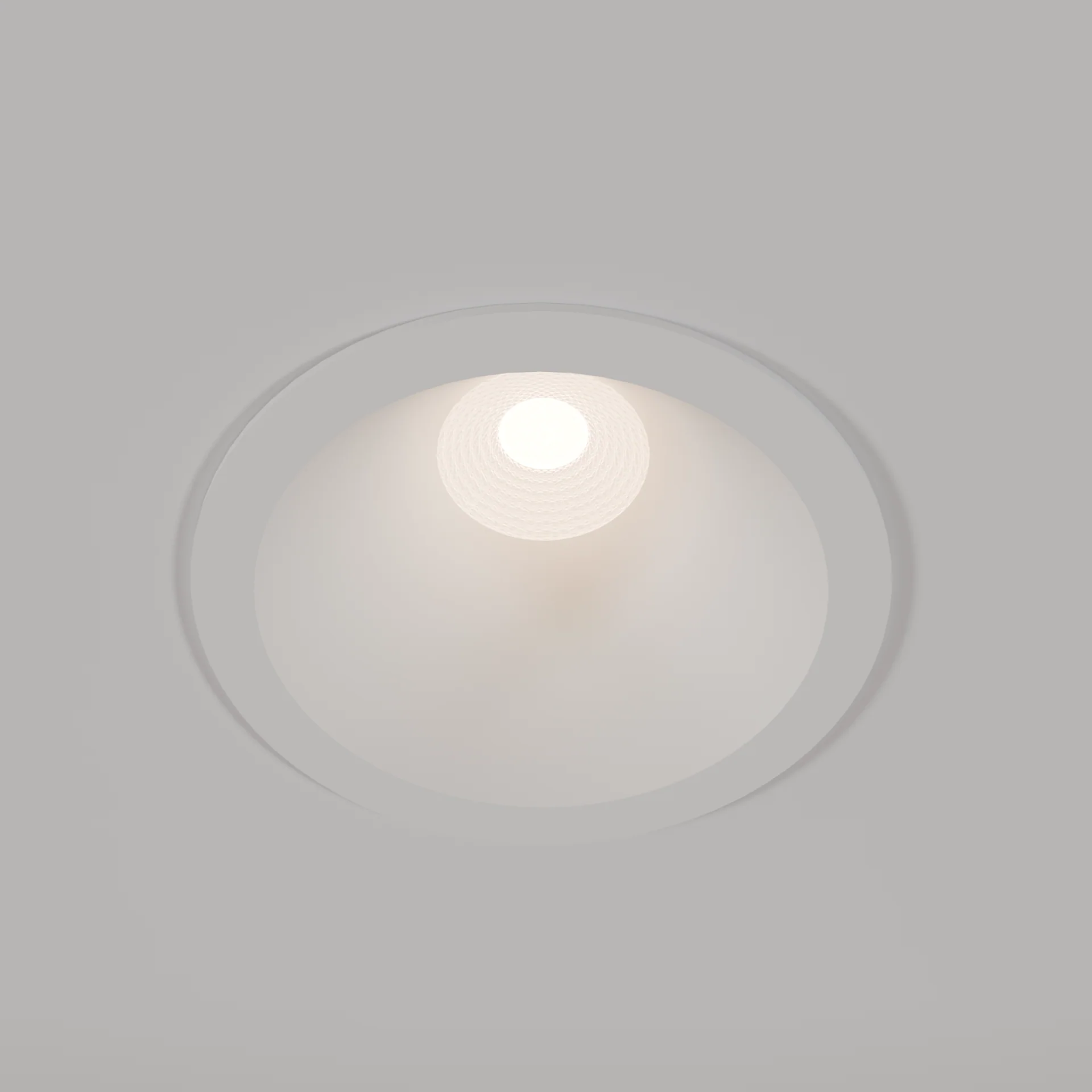
The Hidden Effects of Bright White Light

While daylight promotes alertness and productivity, its emission in the evening can be harmful. Evening exposure to such light postpones the release of melatonin, interfering with the natural sleep process. This interference often leads to insomnia, broken sleep, and diminished sleep quality.

Circadian Lighting

Circadian lighting modulates light exposure to follow natural daylight patterns. By varying intensity and color temperature, we enhance daytime alertness and nighttime relaxation. This helps prevent the negative impacts of artificial lighting, making it crucial to understand the best color light for sleep.

Mood Lighting: Setting the Tone for Rest

Mood lighting employs softer, warmer tones to create a peaceful ambiance. Introducing dimmable lights or warm-toned lamps in the bedroom signals to the body that it is time to relax, easing the transition into sleep. This supports the body's inherent sleep processes.

LED Lights: A Double-Edged Sword

While efficient, most LED bulbs release high levels of blue light. When used at night, this disrupts melatonin production, potentially leading to eye strain and metabolic interference. The key lies in selecting the right color temperature and using smart controls.
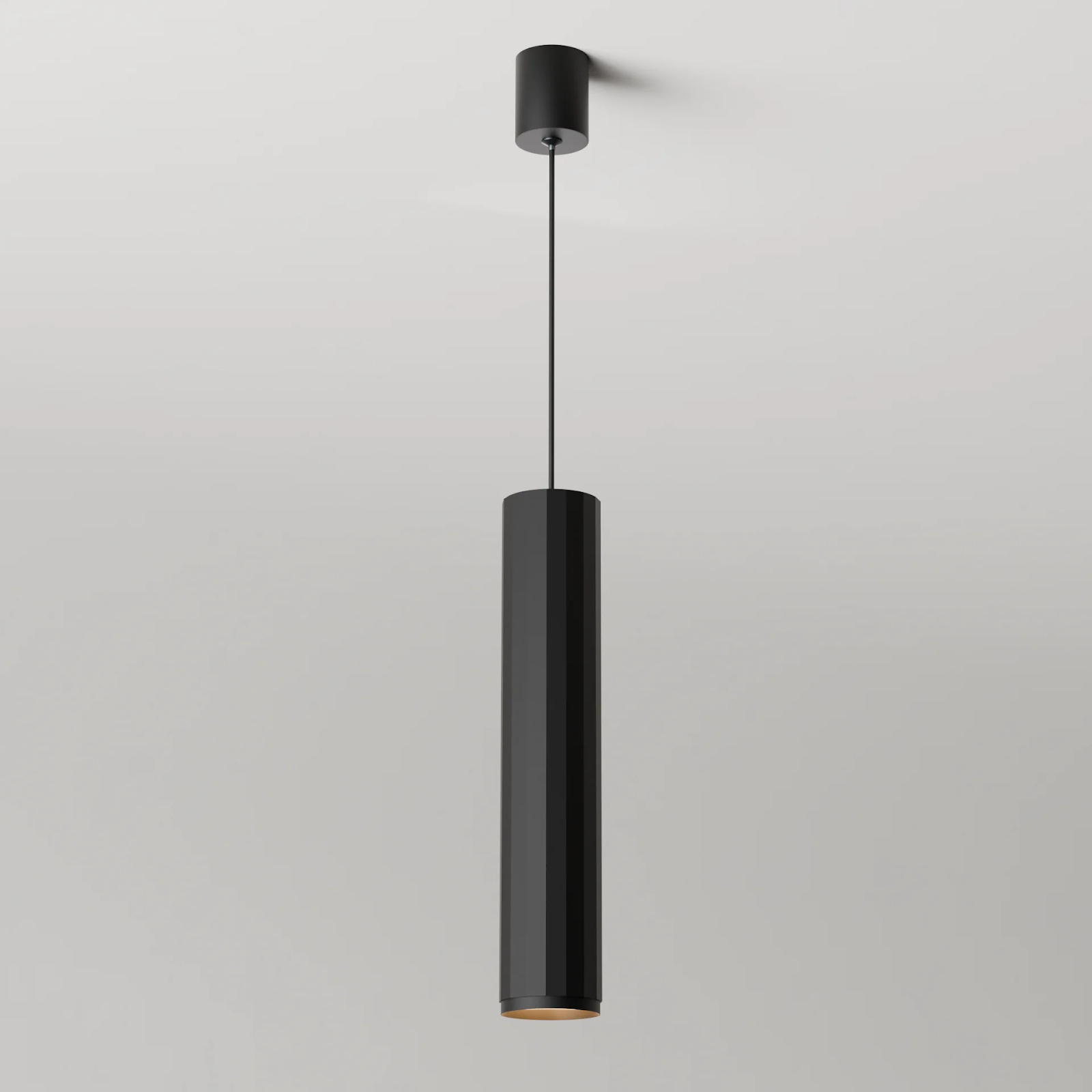
Practical Measures for Better Sleep

  • Restrict Late Exposure: Avoid overhead lighting and screens one hour before bed.
  • Add Warm Light: Use warm-toned bulbs in bedrooms to promote calm.
  • Smart Automation: Use systems that follow natural circadian patterns.
  • Maximize Daytime Light: Spend time outdoors to support natural cycles.
  • Blue Light Filters: Use screen filters or glasses during night-time device use.

Rethinking the Bedroom

The bedroom should be a sanctuary, not a clinical studio. Bright, harsh overhead lighting is counterproductive. Instead, use layered lighting: a gentle ceiling source, supplemented by directional reading lights like Spotron, and ambient glow from fixtures like Clara.

The Mood-Lighting Advantage

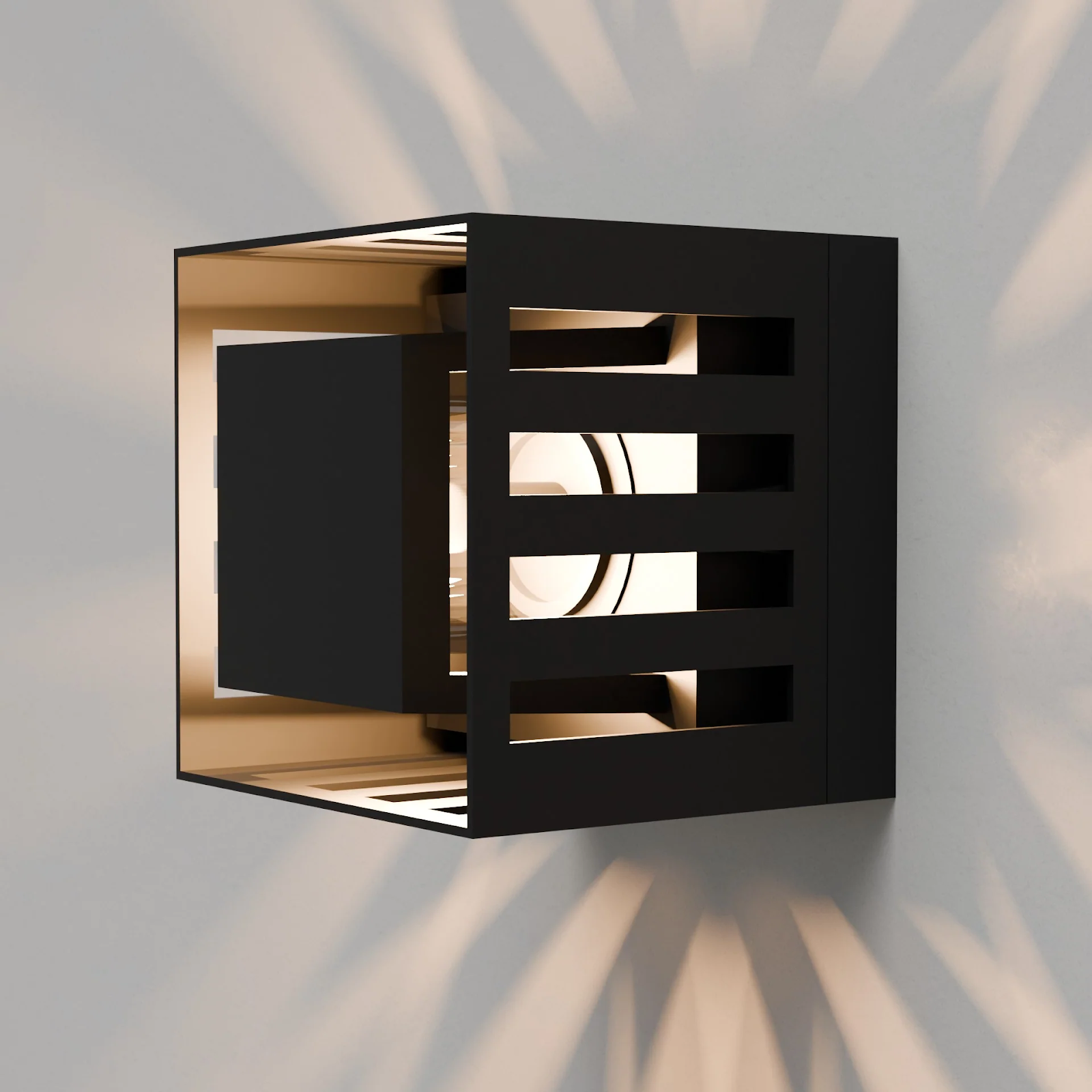
Low-intensity, warm-hued lighting triggers the parasympathetic nervous system, responsible for rest and digestion. Accent lighting—such as wall washers or spotlights—transforms a room, imbuing it with emotional and visual warmth. Fixtures like Ciana and Clara are ideal for creating this cozy environment.

Conclusion: Equilibrium

Lighting is a wellness choice. By coordinating your home's lighting with your body's requirements—using cool light intentionally for productivity and warm, layered light for relaxation—you create a balanced environment. Ultimately, good lighting isn't about brightness; it is about equilibrium.
Back to blog
Search Icon

Accent Lighting
Used to highlight design features, artwork, or specific architectural elements.

Ambient Lighting
General illumination that provides overall visibility and creates the foundation for lighting a space.

Beam Angle
The angle at which light is emitted from a fixture, affecting the spread of illumination.

Color Temperature
Measured in Kelvins (K), it describes the warmth or coolness of light emitted by a bulb.

CRI (Color Rendering Index)
A scale from 0 to 100 that rates a light source's ability to reveal colors accurately.

Diffuser
A translucent piece of glass or plastic sheet which shields the light source in a fixture. The light transmitted throughout the diffuser will be redirected and scattered.

Dimmable Lighting
Lighting systems or bulbs that allow brightness adjustment to suit preferences or energy-saving needs.

Downlighting
A lighting technique where fixtures are directed downward to focus light on specific areas, often used for task lighting.

Efficacy
A measure of how efficiently a light source converts energy into light, expressed in lumens per watt (lm/W).

Energy Star
Certification for energy-efficient lighting products that meet strict energy performance standards.

Glare
Uncomfortable brightness caused by excessive light or poorly positioned fixtures.

IP Rating (Ingress Protection)
A standard indicating the level of protection a light fixture has against dust and water. Example IP65 for outdoor use.

Kelvin (K)
A unit of measurement for the color temperature of light. Lower values (e.g., 2700K) are warm, while higher values (e.g., 5000K) are cool.

LED Driver
A device that regulates power to an LED light source, ensuring consistent performance.

Lifespan
The estimated operational life of a lighting product, often stated in hours.

Lumen
A measure of the total visible light emitted by a source. Higher lumens mean brighter light.

Lux
A unit of illuminance, measuring the amount of light that hits a surface.

Photometric Data
Information that describes a lighting fixture’s performance, including beam spread, lux levels, and efficiency.

Retrofit Lighting
Upgrading or replacing existing light fixtures with modern, energy-efficient alternatives.

RGB Lighting
Fixtures that use red, green, and blue LEDs to produce a spectrum of colors for decorative and dynamic effects.

Smart Lighting
Lighting systems that can be controlled through apps, sensors, or automation, offering advanced features like scheduling and dimming.

Task Lighting
Lighting focused on specific areas to assist with activities like reading, cooking, or working.

Tunable White
Lighting technology that allows color temperature adjustments between warm and cool light to suit different moods or tasks.

Uniformity Ratio
A measure of how evenly light is distributed across a space.

Uplighting
Lighting directed upwards to highlight ceilings, walls, or architectural features.

Warm Dim Technology
Advanced LED technology that mimics the dimming effect of incandescent lights by becoming warmer as brightness decreases.