Understanding Light's Impact on Health and Well-being

Lighting is no longer a mere utilitarian need. It has slipped into the role of one of the most powerful tools in determining our health, mood, and overall sense of well-being. We've progressed a long distance from the single ceiling bulb. Now, the decisions we make regarding lighting—its intensity, color, placement, and control—impact how we sleep, how we concentrate, how we feel, and how we operate throughout each aspect of our lives.

How Light Influences Our Biological Clock

Deep within our health is our circadian rhythm, a 24-hour internal clock that dictates when it's time to sleep, wake, eat, and secrete hormones. Natural light controls this process. Without the right lighting, this rhythm becomes out of whack.
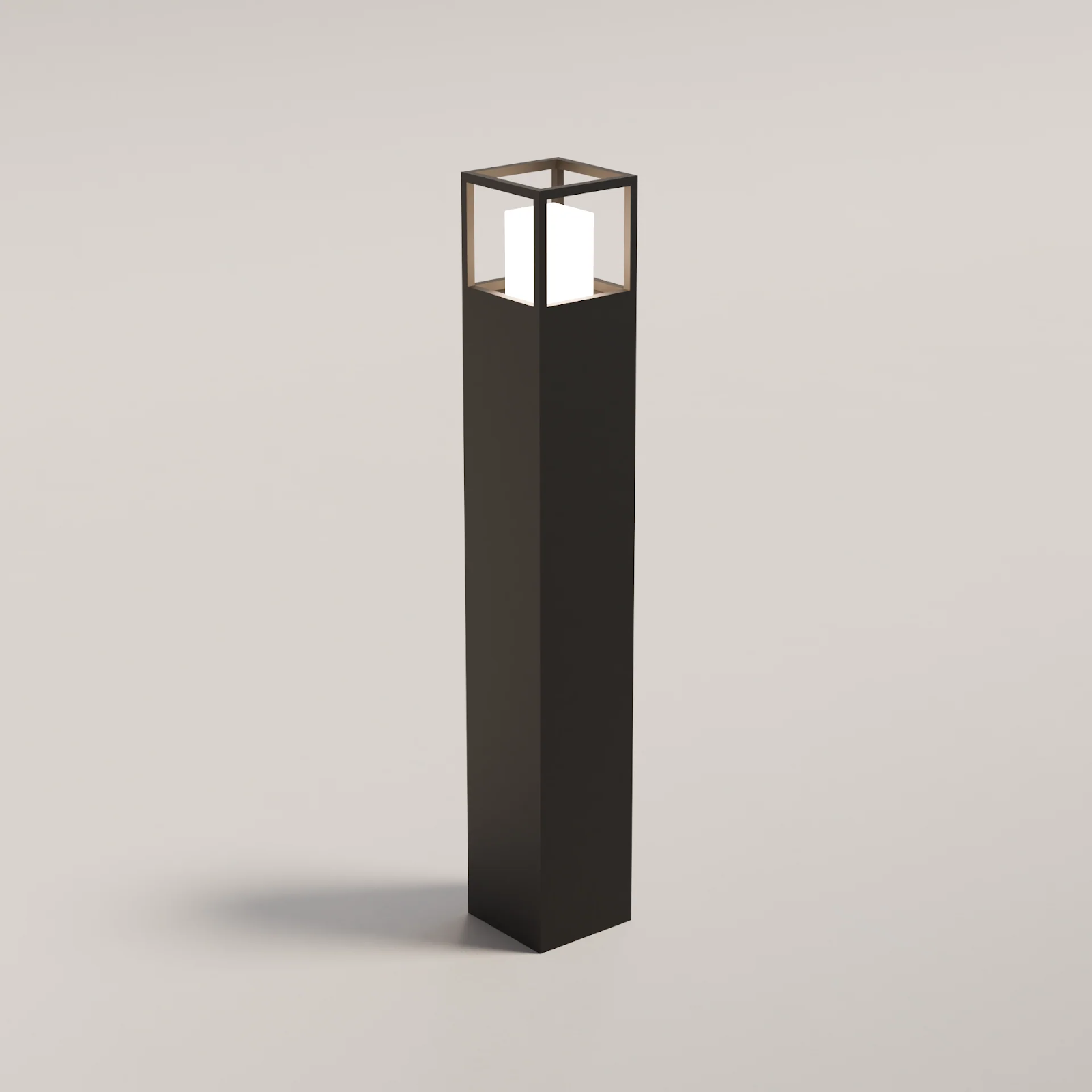
Verne Ambient Lighting
Getty Images

The Rise of Circadian and Smart Lighting

Today's technology is created with biology in mind. Circadian lighting systems accommodate natural rhythms by varying color temperature and brightness. Products like Ilona, Lumishroom, and Verne do more than add ornamentation—they impact the way your space feels and your own internal state.

Mood Lighting: A Silent Influencer

We tend to underestimate lighting's emotional impact. Cool, blinding lights can increase focus, while dim, warmer lights decrease stress. This is why high-end environments rely on ambient techniques to create feelings of sophistication and ease.
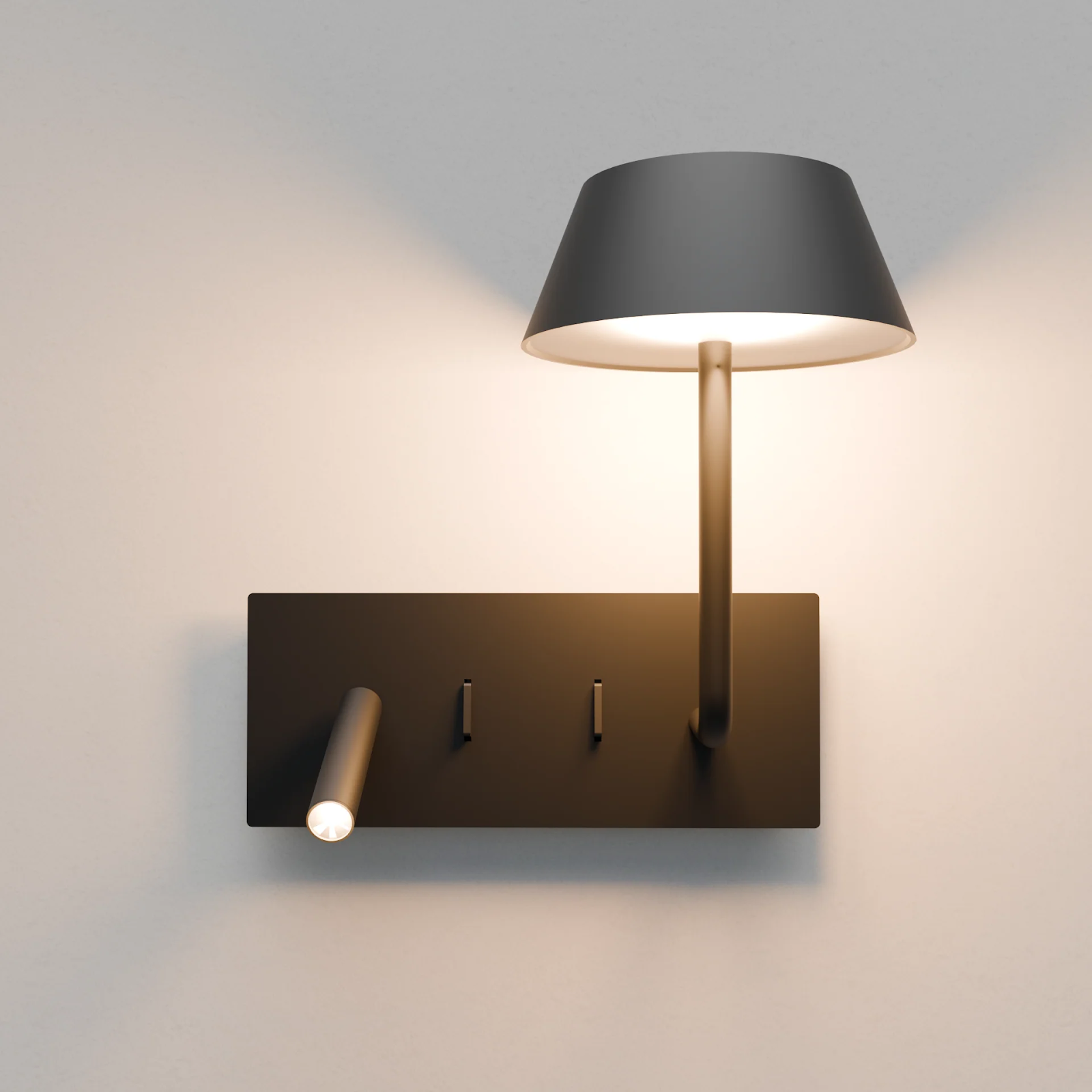
Lumishroom Smart Lighting

LED Lights and Health

Contemporary LED lighting for health-focused homes provides varied color temperatures and low-glare levels. Selecting the right LEDs involves:

  • CCT (Correlated Color Temperature): 2700K–3000K for relaxing; 4000K–5000K for tasks.
  • CRI (Color Rendering Index): A high CRI (90+) ensures colors look truer, boosting perception and comfort.

Benefits of Smart Lighting

  • Better Sleep Hygiene: Warm dimming signals the brain to relax.
  • Mood Management: Adjustable scenes for working, entertaining, or meditating.
  • Accessibility: Control via voice, apps, or sensors.
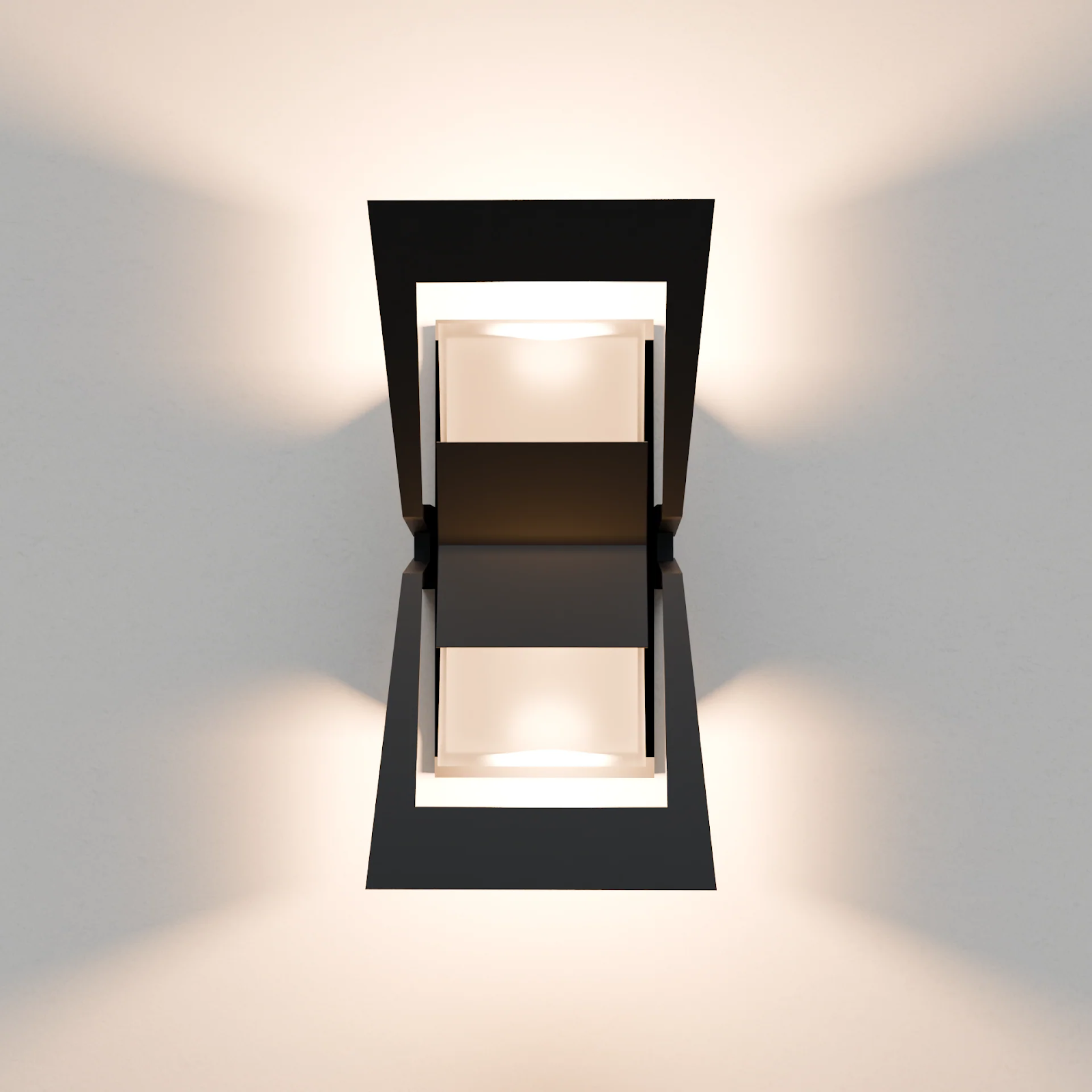
Room-by-Room Guide

  • Bedroom: Warm LEDs (2700K–3000K) to encourage rest.
  • Kitchen/Office: Cooler shades (4000K–5000K) to enhance focus and definition.
  • Living Spaces: Neutral hues for activity, transitioning to warm ambient light in the evening.

Designing for Well-being

Good lighting is about nuance and sensory experience. Always layer your ambient, task, and accent lighting. Utilize dimmers to respond to your mood on the fly and ensure no glare hits your line of sight. By making lighting choices with purpose, you turn your home into a space that truly supports the way you want to live.

The Goal

Light can stimulate or relax, energize or quiet. It is one of the only interior design elements that speaks directly to our physiology. With intentional design, you can light your house—and your life—with purpose.

Back to blog
Search Icon

Accent Lighting
Used to highlight design features, artwork, or specific architectural elements.

Ambient Lighting
General illumination that provides overall visibility and creates the foundation for lighting a space.

Beam Angle
The angle at which light is emitted from a fixture, affecting the spread of illumination.

Color Temperature
Measured in Kelvins (K), it describes the warmth or coolness of light emitted by a bulb.

CRI (Color Rendering Index)
A scale from 0 to 100 that rates a light source's ability to reveal colors accurately.

Diffuser
A translucent piece of glass or plastic sheet which shields the light source in a fixture. The light transmitted throughout the diffuser will be redirected and scattered.

Dimmable Lighting
Lighting systems or bulbs that allow brightness adjustment to suit preferences or energy-saving needs.

Downlighting
A lighting technique where fixtures are directed downward to focus light on specific areas, often used for task lighting.

Efficacy
A measure of how efficiently a light source converts energy into light, expressed in lumens per watt (lm/W).

Energy Star
Certification for energy-efficient lighting products that meet strict energy performance standards.

Glare
Uncomfortable brightness caused by excessive light or poorly positioned fixtures.

IP Rating (Ingress Protection)
A standard indicating the level of protection a light fixture has against dust and water. Example IP65 for outdoor use.

Kelvin (K)
A unit of measurement for the color temperature of light. Lower values (e.g., 2700K) are warm, while higher values (e.g., 5000K) are cool.

LED Driver
A device that regulates power to an LED light source, ensuring consistent performance.

Lifespan
The estimated operational life of a lighting product, often stated in hours.

Lumen
A measure of the total visible light emitted by a source. Higher lumens mean brighter light.

Lux
A unit of illuminance, measuring the amount of light that hits a surface.

Photometric Data
Information that describes a lighting fixture’s performance, including beam spread, lux levels, and efficiency.

Retrofit Lighting
Upgrading or replacing existing light fixtures with modern, energy-efficient alternatives.

RGB Lighting
Fixtures that use red, green, and blue LEDs to produce a spectrum of colors for decorative and dynamic effects.

Smart Lighting
Lighting systems that can be controlled through apps, sensors, or automation, offering advanced features like scheduling and dimming.

Task Lighting
Lighting focused on specific areas to assist with activities like reading, cooking, or working.

Tunable White
Lighting technology that allows color temperature adjustments between warm and cool light to suit different moods or tasks.

Uniformity Ratio
A measure of how evenly light is distributed across a space.

Uplighting
Lighting directed upwards to highlight ceilings, walls, or architectural features.

Warm Dim Technology
Advanced LED technology that mimics the dimming effect of incandescent lights by becoming warmer as brightness decreases.