

Mood Matters: How Pendant Lighting Transforms the Atmosphere
Lighting, when executed well, is not seen. It doesn't merely light up, it enhances. It induces moods, focuses attention, and transforms a room into an experience. Of the different forms of home ambient lighting that define our homes, pendant lighting is perhaps the most special. Equally practical and beautiful, pendant lights have insidiously become go-to mood-creators in contemporary interior design.
Whether it’s a soft amber glow over your reading nook or an edgy matte black dome light suspended above your kitchen island, the right pendant light doesn’t just light up a room, it changes how it feels. This is where the concept of mood lighting comes into play.
The Psychology of Mood Lighting
Mood lighting fundamentally is about emotional design. It controls the way we feel in a space—relaxed, energized, snug, productive, or romantic. Human experience of light is hardwired deep into our physiology. Warm, dim lights stimulate the parasympathetic nervous system and make us feel more relaxed and comfortable.
Cool, bright lighting promotes alertness, which is why offices are typically bathed in white light. Pendant lighting can be used to create these effects with accuracy. A big, dimmable pendant in the living area can provide a calming haven at dusk, while a brighter, targeted pendant in the study can assist in clearing the mind.
Design Strategy & Versatility
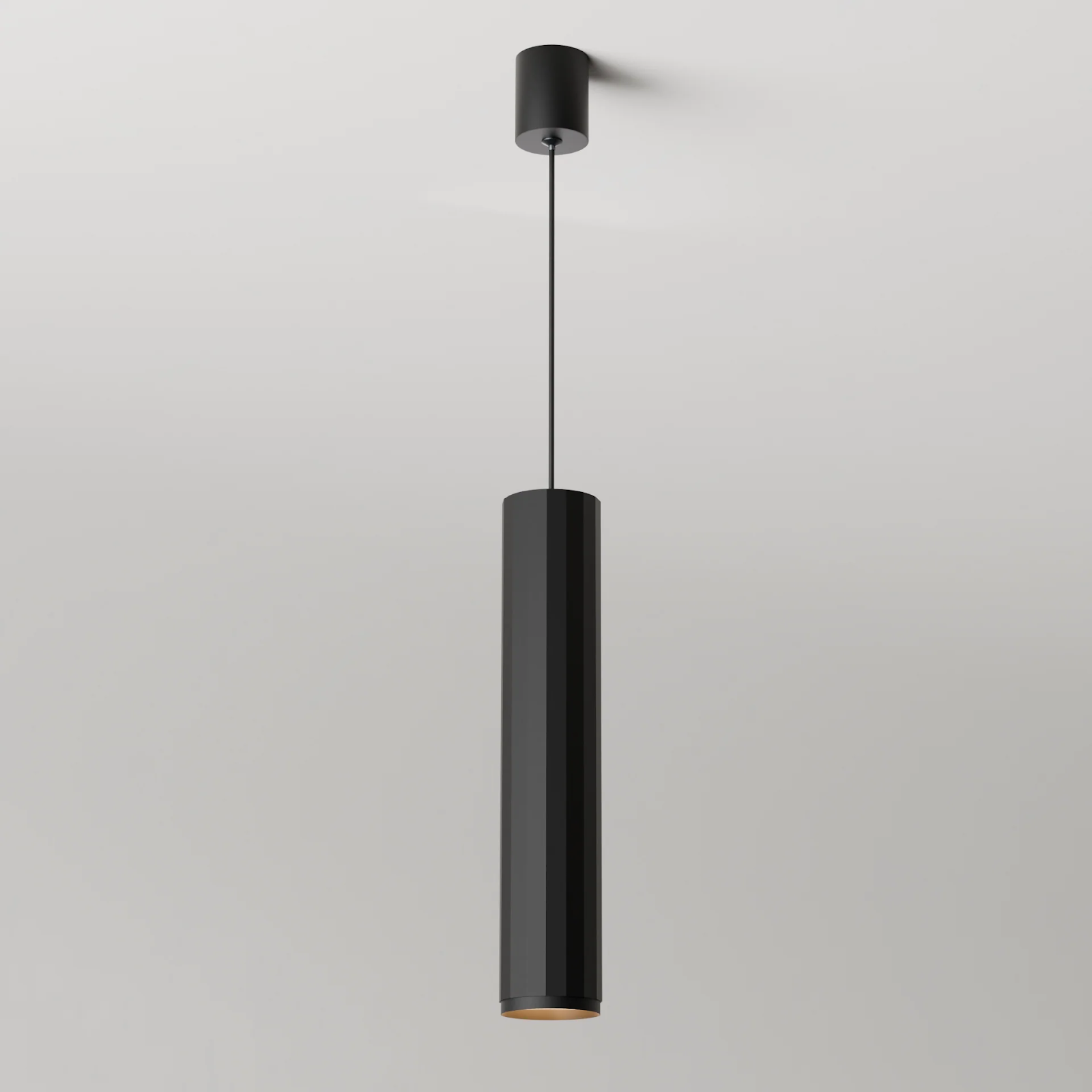
Whereas chandeliers yell grandeur or recessed lighting vanishes into the ceiling, pendant lighting comfortably exists in between. It is bold but not brash, elegant but not overdone. Its suspended disposition confers on it a natural point of concentration, directing the eye to certain areas in a room.
Suppose you have an open-plan living space. Pendant lighting can functionally define various purposes: task lighting above the kitchen island, soft diffused light above the dinner table, and accent lighting for a comfortable reading nook. It's where interior lights for home transition from mere utility to smart design.
Style Meets Function
While style is the motivation, avoid neglecting technical specs. A small pendant in a huge room will get lost, while a huge fixture can overwhelm a small space. Take your room's size and ceiling height measurement before selecting. A general rule is to hang several pendants about 24 to 30 inches apart.
The material used—glass, metal, or rattan—influences light diffusion. Glass introduces sleek transparency, while matte black or brass introduces contemporary style. Coordinate the finish on the pendant to adjacent hardware like cabinet handles or faucets for visual harmony.
Living Room: The Mood Chameleon
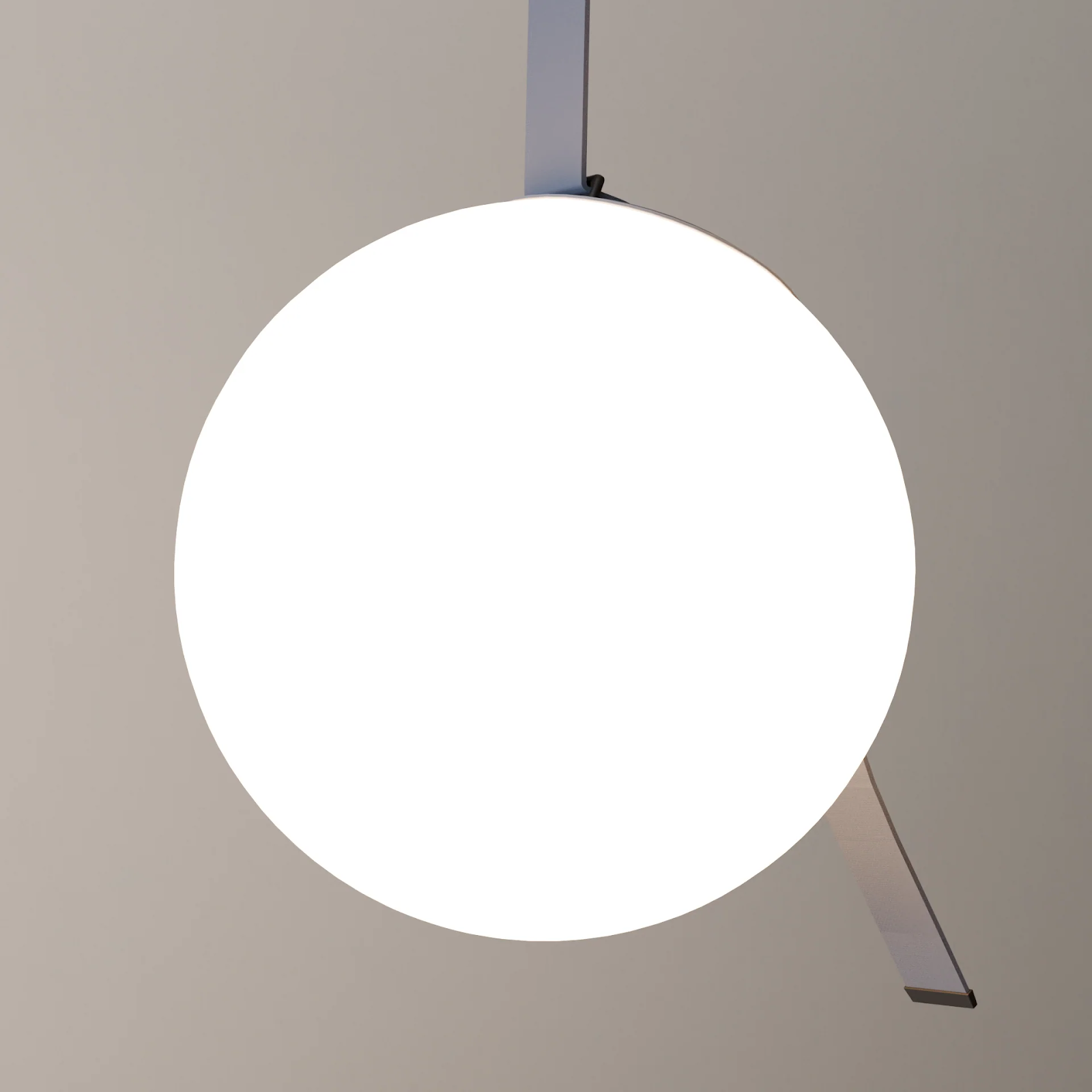
The living room is used for so many things during the day, from coffee catch-ups to Netflix nights. Pendant lights such as the 'Hose' or the 'Flexium' offer warm ambient light and a decorative element. You can cluster them in twos or threes over a centerpiece coffee table or reading space, allowing the soft light to draw individuals in without overpowering the room.
Dimmable pendants function particularly well here, enabling you to flip from bright, social light to a relaxed, movie-night glow in an instant. This adaptability makes them the perfect tool for a multi-functional modern living area.
Dining Area: Connection
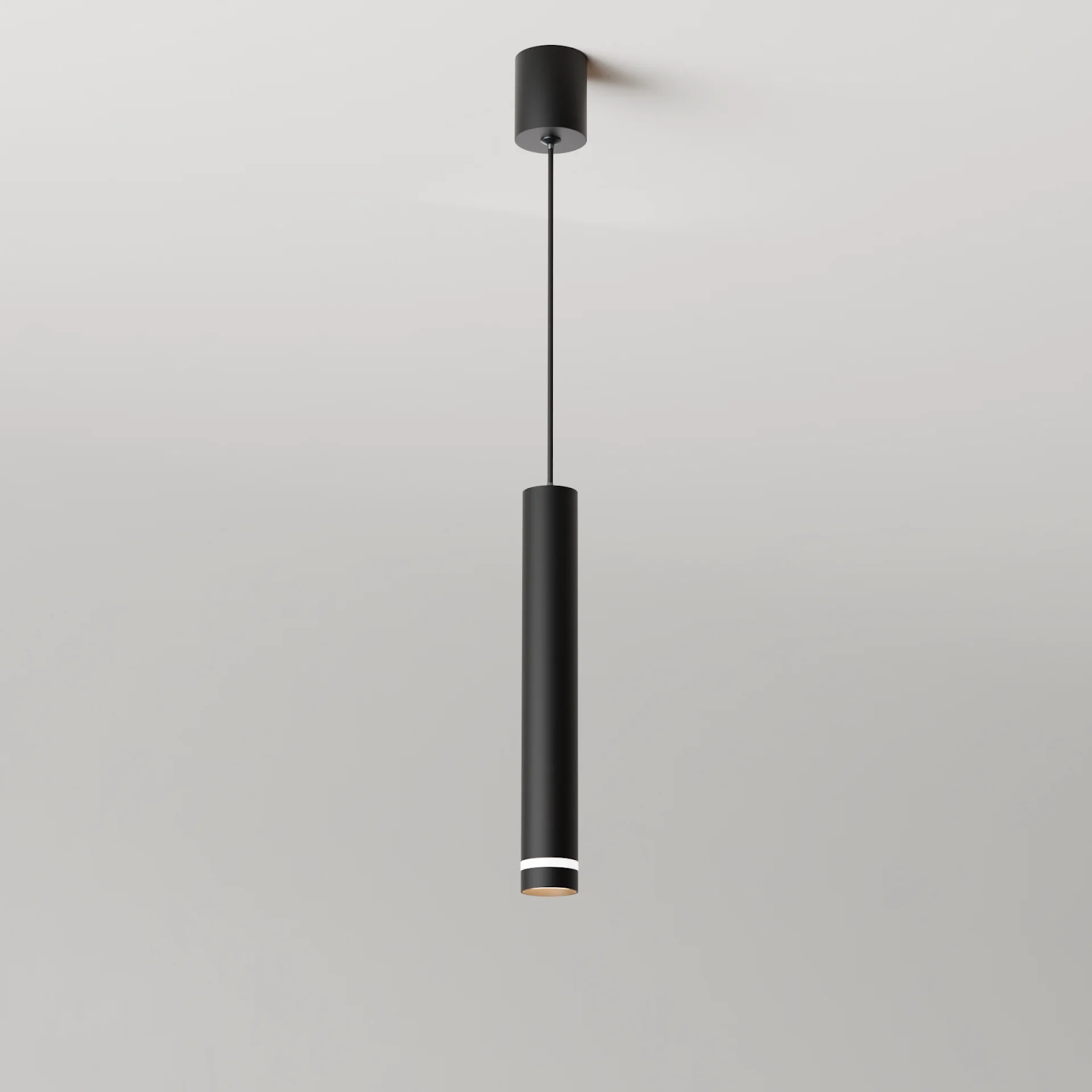
There's a reason why restaurants employ pendant lighting; it serves to concentrate attention, create intimacy, and increase visual stimulation. A pendant such as the 'Birch' can establish a radius of soft light above a table while keeping the area around it dimmed. Suspend the fixture 30-36 inches above the table for maximum impact without blocking conversation.
Kitchen: Task Efficiency
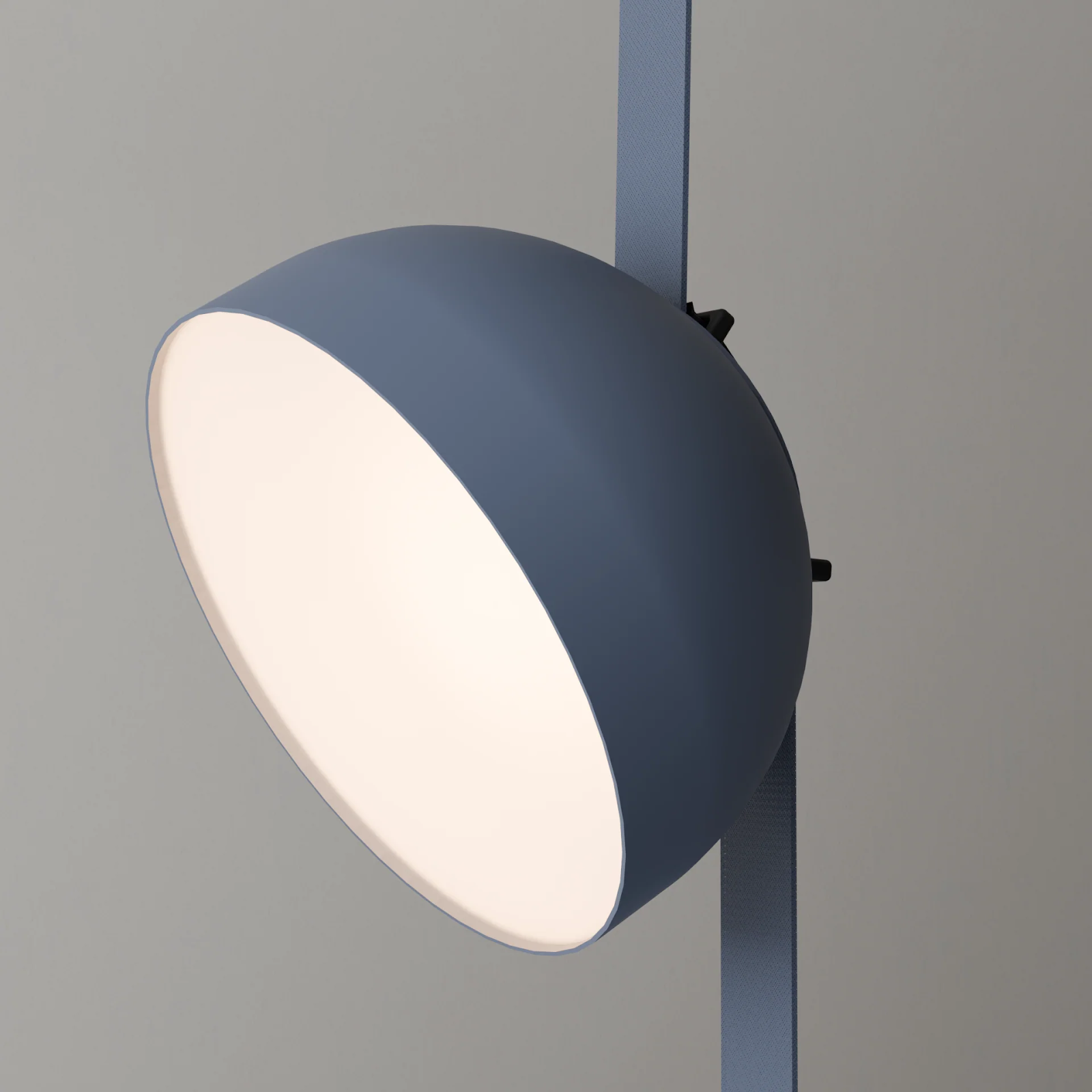
Kitchens need task-efficient lighting for safety and utility. Lights like the Flexium J bring an industrial-chic feel while offering task lighting on islands or counters. The secret is to cluster them equally and make sure they cast sufficient light downwards. Aesthetics are important, but the main function here is visibility and useful lumens.
Bedroom: Soft, Warm, Serene
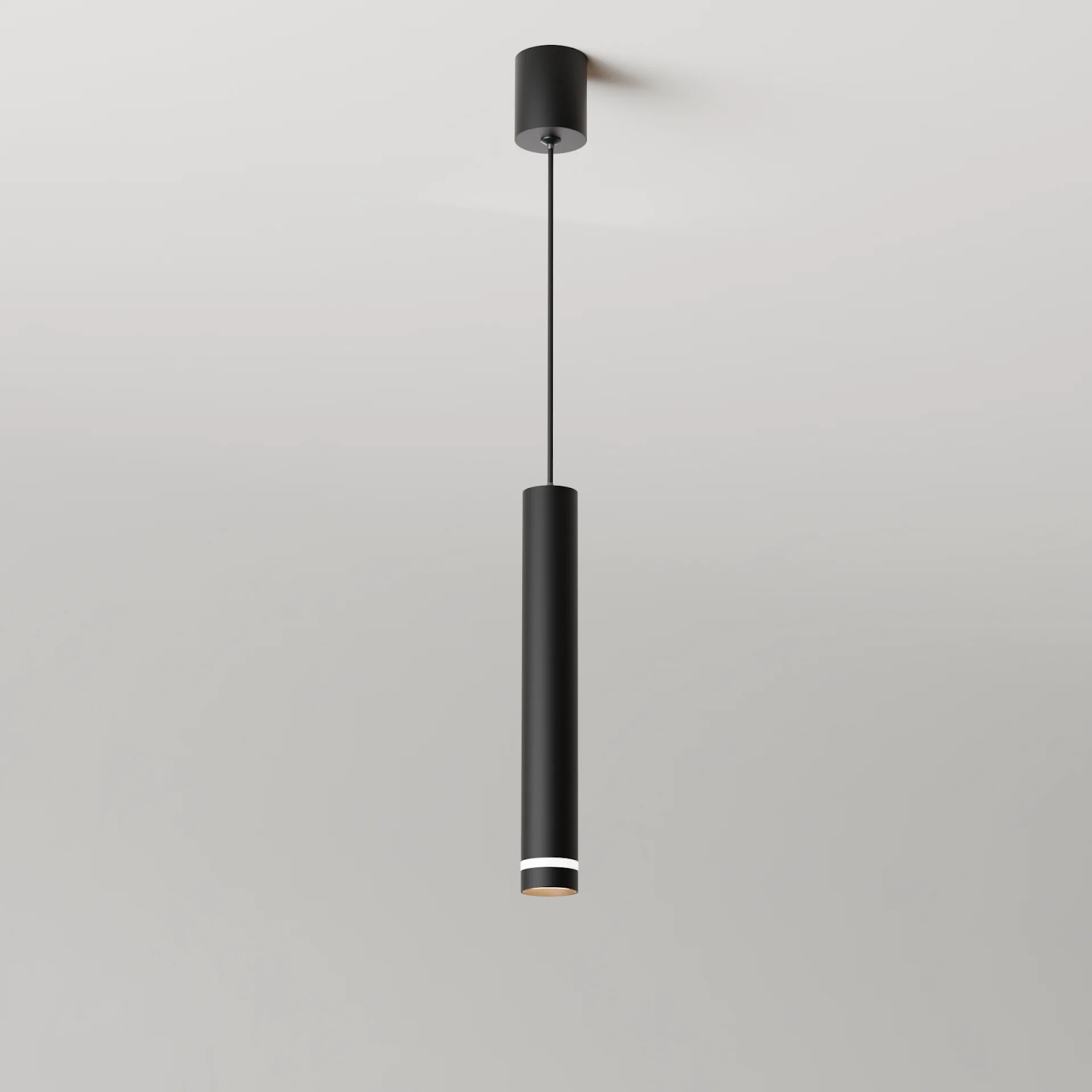
If there’s one room where mood lighting matters most, it’s the bedroom. Choose pendants like the Torche to flank your bed instead of traditional bedside lamps. They free up space and bring a gentle verticality to the design. Always opt for warm white bulbs (2700K or below) and dimmers; this isn't the place for jarring white LEDs.
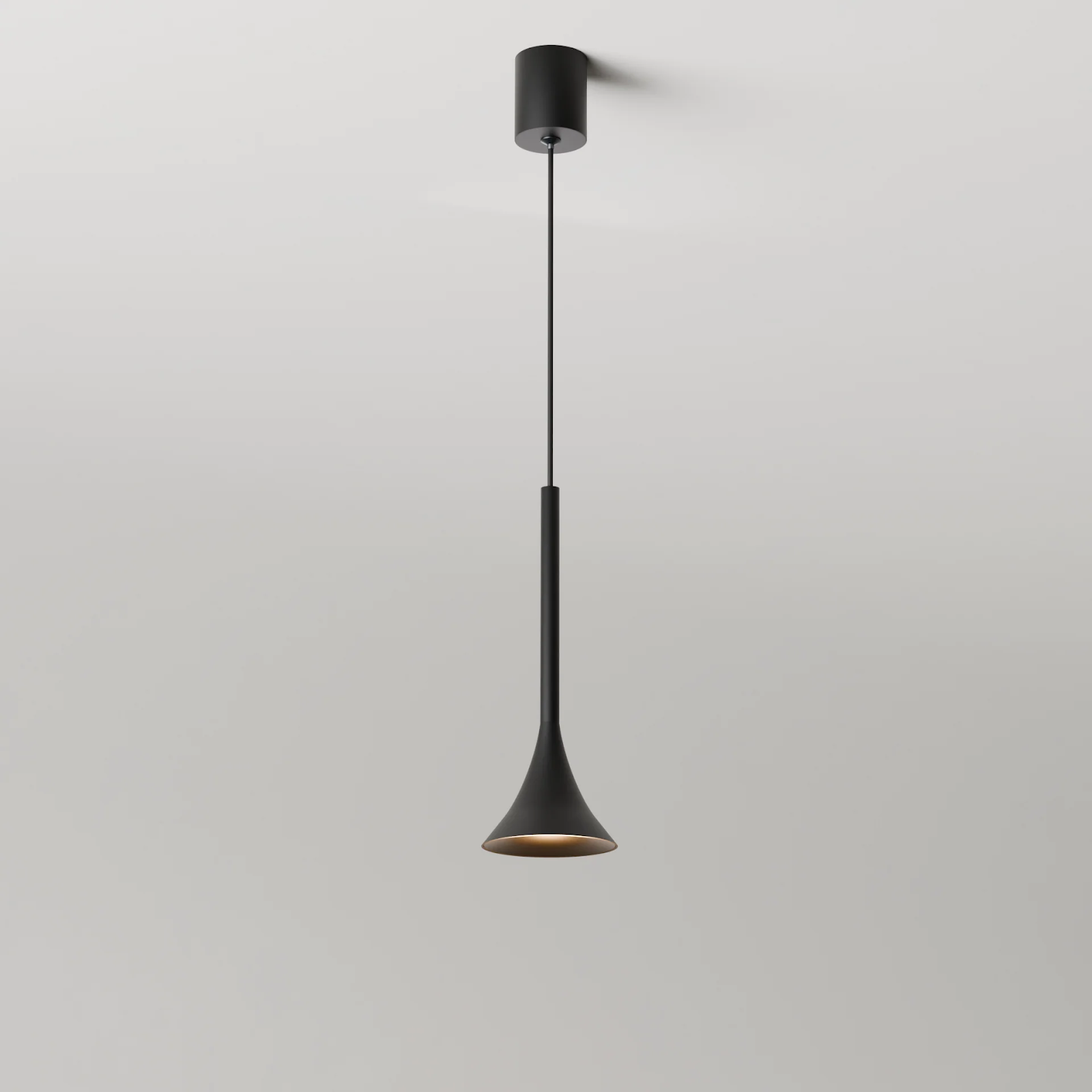
Entryways: First Impression
These oft-neglected areas are all-important for first impressions. A statement pendant such as the Birch can immediately lend an air of sophistication. Here, the lighting doesn't have to be extremely functional; it's all about creating the mood. Try warmer light to welcome visitors with a welcoming, high-end glow.
The Unsung Hero
It's easy to forget about lighting when you're focusing on furniture and wall colors, but light influences the way you perceive everything else. A small room can be luxurious in the presence of the appropriate pendant. Conversely, a lavish interior can become dull in the light of substandard illumination. Lighting is a language, and pendant lights are its poetry.
Final Thoughts
Mood is important. Whether you're establishing the mood for a peaceful dinner, imbuing a reading nook with personality, or upping the ante for your entryway's appeal, pendant lighting is your ally. The next time you enter a space and suddenly feel well-adjusted, inspired, or snuggly, stop and look up. Chances are good that a pendant light is casting its spell.
