

Lighting That Follows the Flow: A Guide to Magnetic Tracks
Lighting is no longer an afterthought in domestic design; it's at the heart of how rooms are lived. As interiors migrate toward modular configurations and multi-functional areas, our lighting requirements have become more sophisticated. In this new reality, magnetic track lighting has proven to be one of the smartest and most versatile systems for contemporary homes.
Slender, discreet, and unexpectedly versatile, track lighting is no longer relegated to showrooms or art galleries. With magnetic systems coming into play, light track lighting has a new jam in the home, where clean lines intersect with creative freedom.
What is Magnetic Track Lighting?
In this blog, we’ll dive into what makes magnetic track lighting a smart choice for your home, how it compares with traditional systems like track recessed lighting, and how to tailor it to different spaces, from open-plan living rooms to snug bedroom corners.
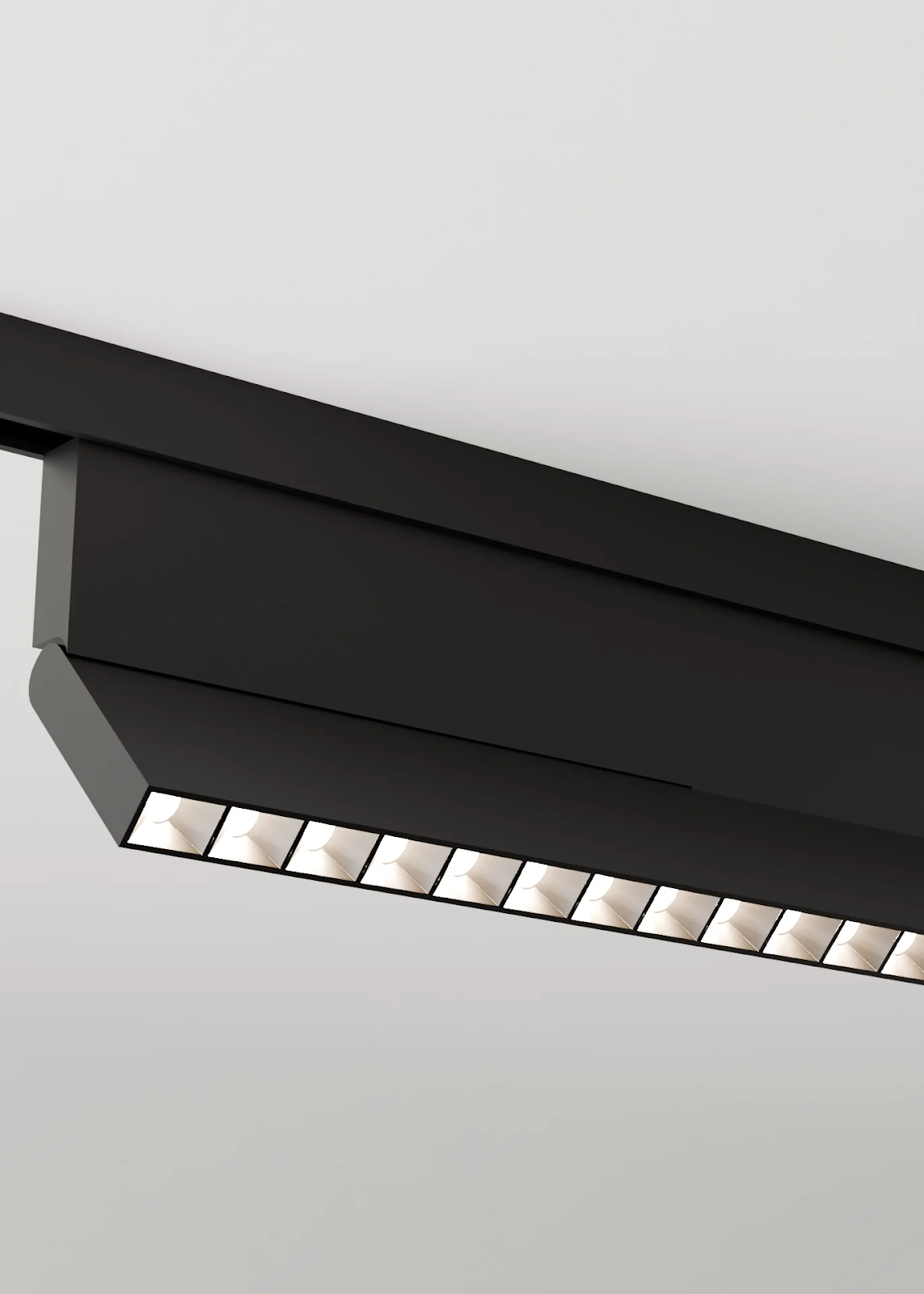
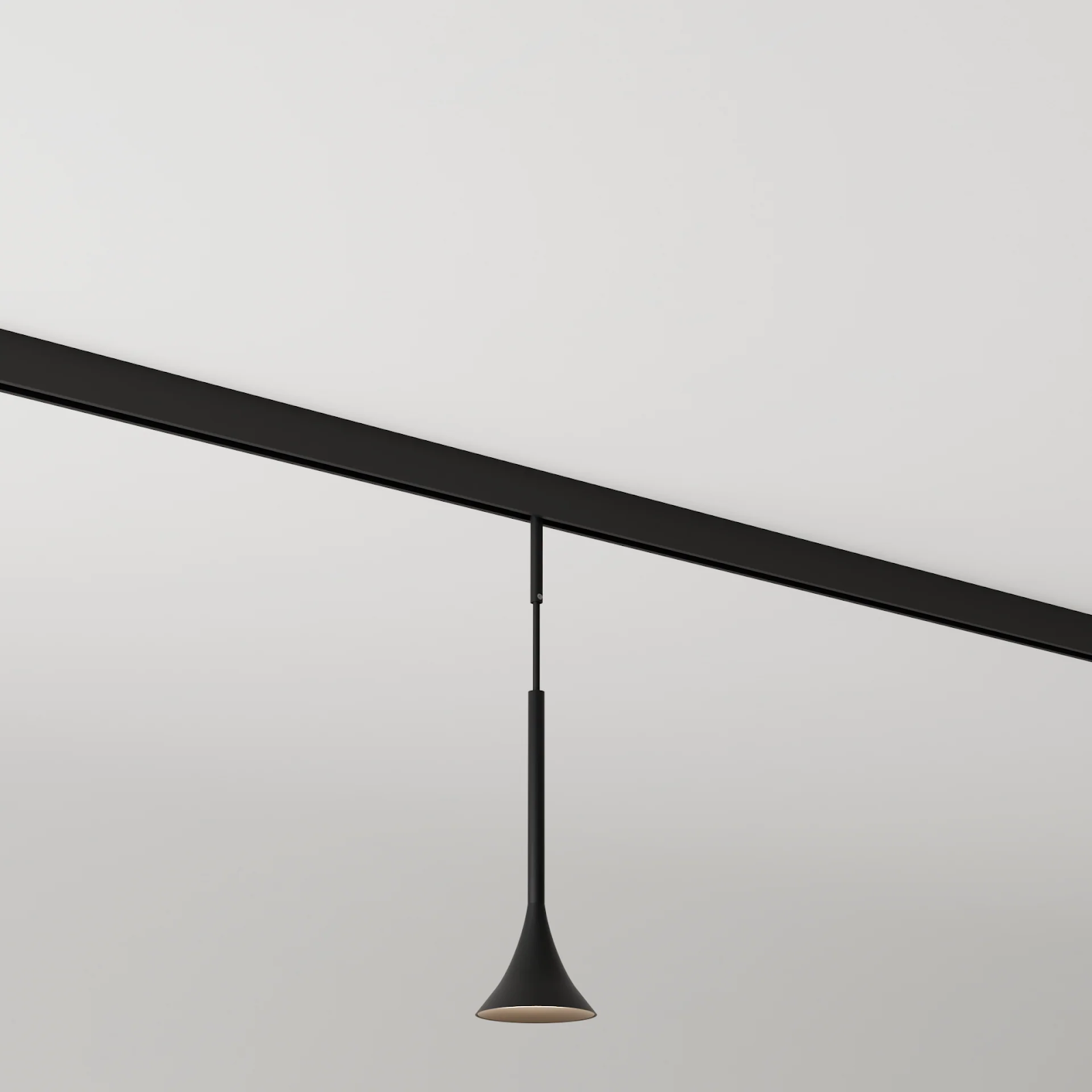
Magnetic track lighting employs a low-voltage magnetic system to affix light fixtures, "track heads", to a metal track. The fixtures click in magnetically and can be rearranged with no tools required, making the installation dynamic and highly adjustable. It's like lighting Lego for adults.
Why Magnetic Track Lighting is a Homeowner's Secret Weapon
1. Unmatched Flexibility
One of the most compelling benefits of magnetic light track lighting is flexibility. Whether you're rearranging furniture, switching decor, or changing a room's function over time, magnetic tracks allow you to make lighting adjustments to match. In an open-floor area used as a living room during the day and an office at night, sliding or tilting provides management without an electrician.
2. Sleek, Minimal Aesthetic
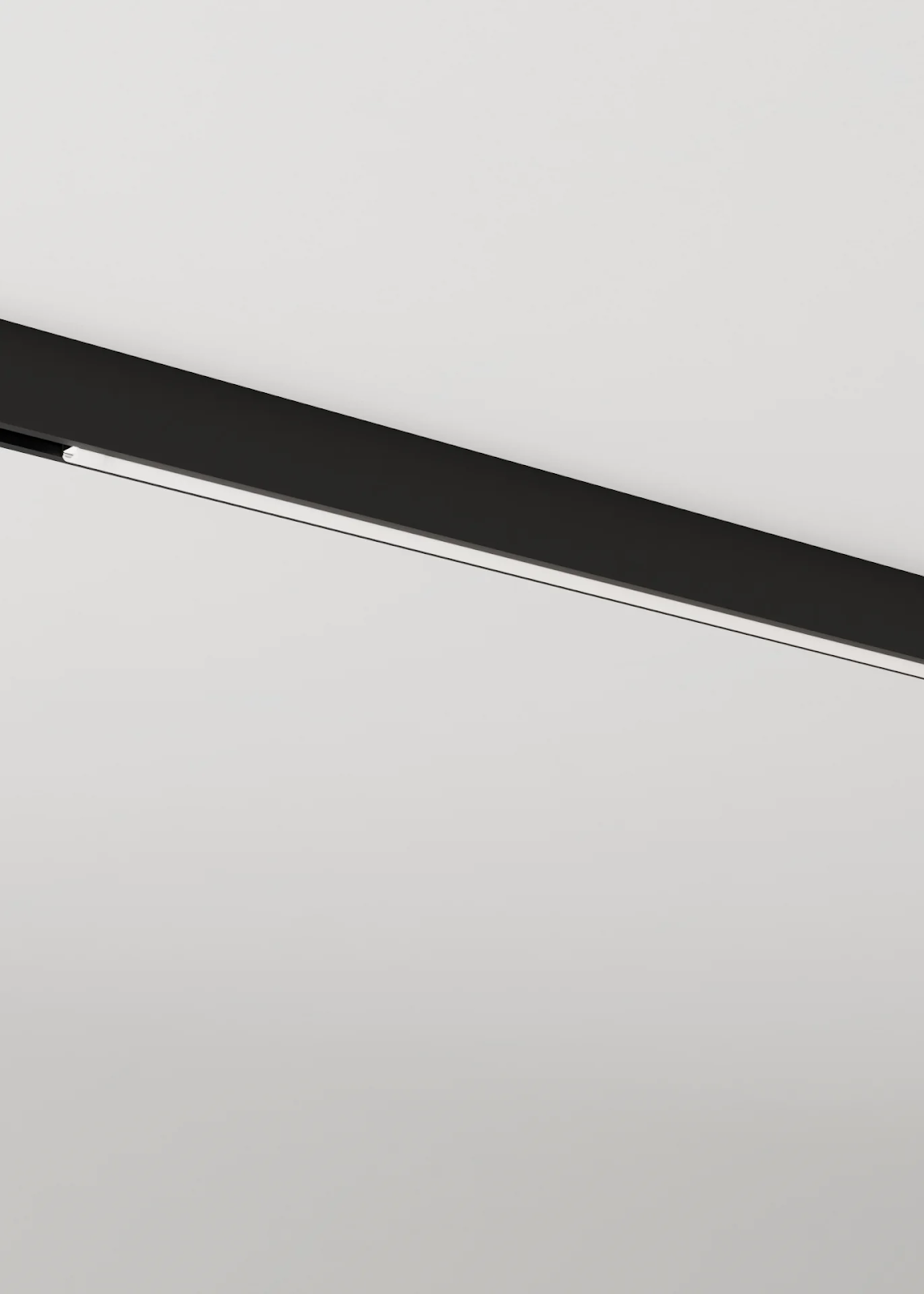
Magnetic tracks are usually recessed into ceilings or walls and thus almost invisible when they're not being used. Even surface-mount versions, such as Lafit Lighting's Slim Line Magnetic Track, are slim and architectural in appearance. The simple geometry enhances, not overwhelms, your decor.
3. Precision Meets Performance
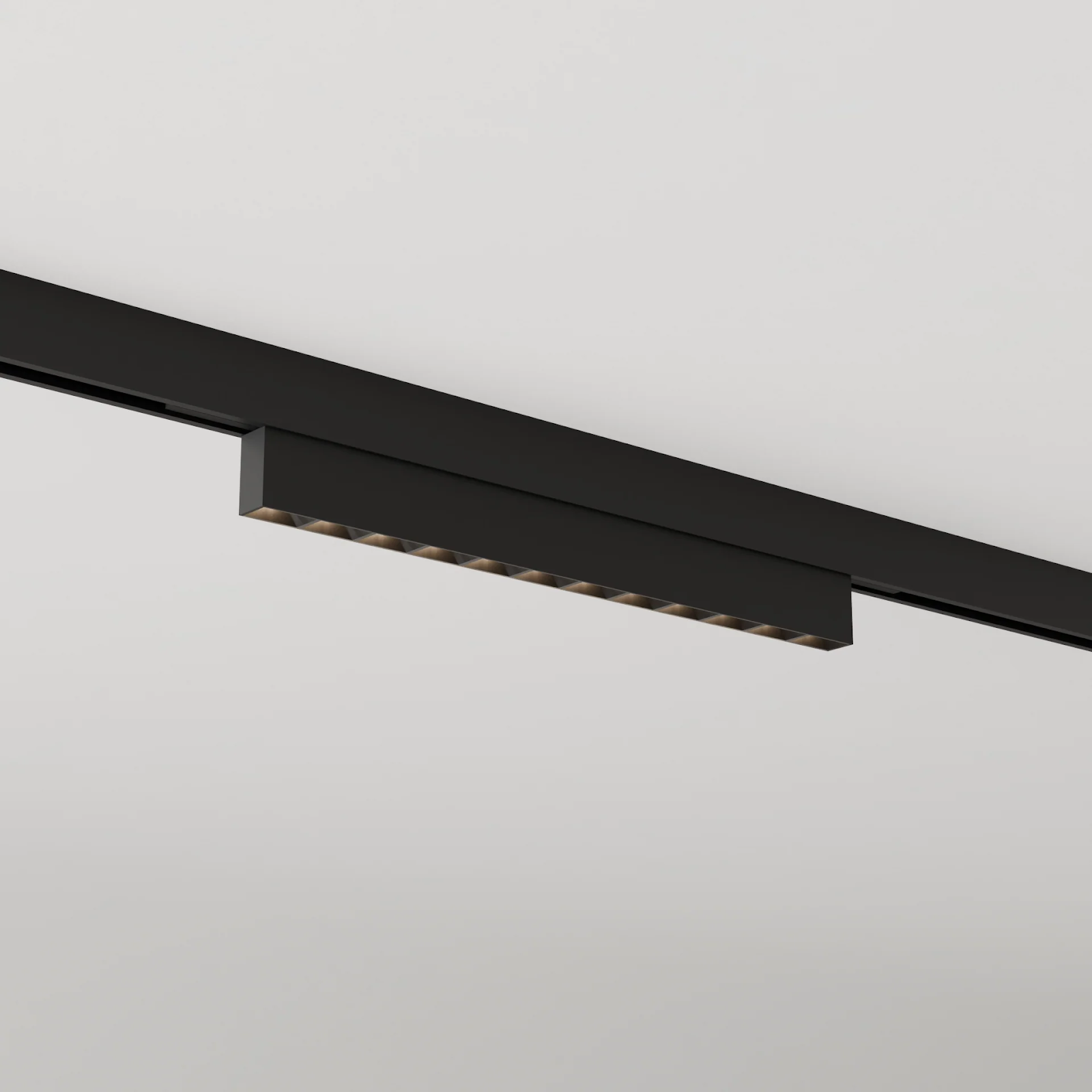
Every light fixture has a purpose. The Marbul NXTD provides intense task lighting that is perfect for reading, highlighting surfaces, or viewing art. Alternatively, the Marbul Light 12W gently bathes a room or wall with ambient lighting. This combination capability allows you to achieve layered lighting, a fundamental concept in professional interior design.
4. Perfect for Modern Homes
Magnetic systems provide such sophisticated sophistication, they blend seamlessly into domestic interiors, Scandi-chic to industrial lofts and modern Indian homes. Since you can install them in false ceilings, floors, or walls, they function with room scales, from grand villas to small apartments.
Living Room: Layered and Zone-Friendly
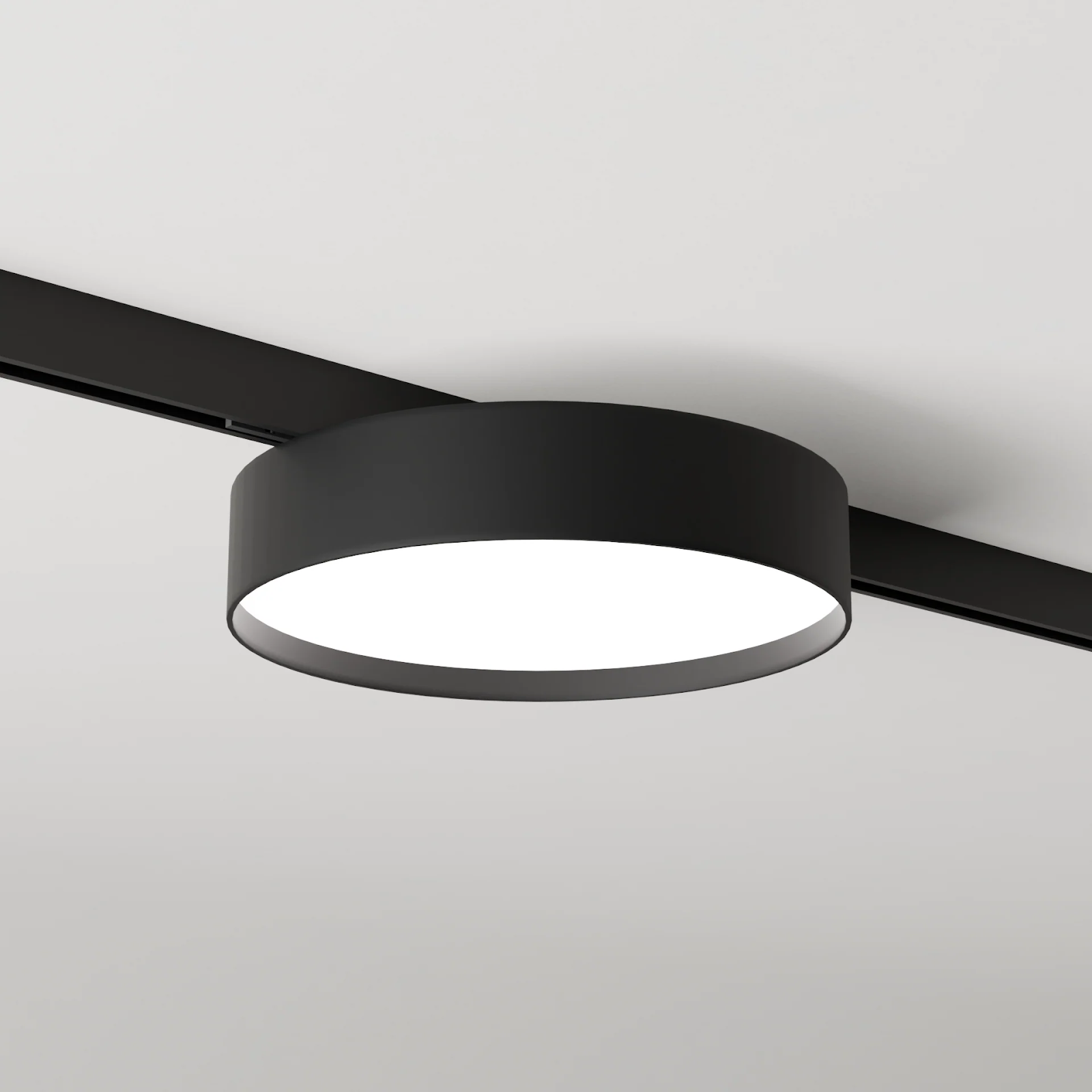
The living room no longer exists solely as a space to rest. It's now a combination of relaxation area, media hub, and occasionally even a virtual office. Magnetic recessed lighting is magic in this space. A recessed Slim Track with Spotlights like in Marbul Infinity D provides you with the ability to direct light at paintings, bookshelves, or the coffee table.
Use it in conjunction with Linear lights to produce a gentle glow that reflects off the ceiling and eliminates glare. Want to transition to movie mode? Turn off the ambient linear modules and retain one or two spotlights pointing at the distant corners for soft background lighting. You can pair up Marbul NTX B and Marbul Infinity D.
Kitchen: Task Lighting with Style
The kitchen is probably one of the most lighting-heavy rooms in a home. From cutting food to entertaining friends over the counter, your lighting must do multiple jobs. A magnetic light track system enables you to layer lighting over the island, sink, and stove. For chopping, use a Marbul Infinity F and for overall lighting, a Linear Light 24W. The beauty is in bringing focused intensity and soft ambient wash together.
Bathroom & Bedroom Applications
In the bathroom, employ a short magnetic track above the vanity mirror with tiny spot modules such as the Marbul infinity B pointed downwards to prevent hard shadows. In the bedroom, mount a recessed track above your headboard for reading sanctuary vibes. Supplement with linear diffused lights on each side to gently light the area without the brutality of downlights.
Hallways and Corridors: Visual Rhythm
Transitional spaces tend to be drab with lighting. A linear surface-mounted magnetic track can provide rhythm and elegance to such zones. Select the Linear Light spaced at intervals along the corridor and complemented with accent spots targeted at wall artwork or decor corners and a centric piece of Marbul Infinity G for a chic and aesthetic look.
Common Mistakes to Avoid
Despite their versatility, magnetic track lighting systems can fall short if not thoughtfully planned. One of the most common pitfalls is overlighting a space. Because magnetic tracks support multiple fixtures, there’s a temptation to fill the track with as many modules as possible. This often leads to harsh lighting or glare that feels more clinical than comfortable.
Magnetic Track vs Conventional Recessed Lighting
Magnetic track systems are much more flexible. The magnetic device makes it simple to snap fixtures into position, move them along the track, or pull them off and relocate them, all tool-free. Conventional recessed track lighting, on the other hand, usually involves manual settings through screws and can include a more intricate rewiring system when adding or replacing lights.
Aesthetically, magnetic track lighting is more contemporary and streamlined, blending perfectly with modern architectural themes. From a maintenance perspective, magnetic tracks also have an edge. Replacing a faulty or outdated module is straightforward and can usually be done without professional help.
Installation Forms and Considerations
Magnetic tracks can be configured as Surface-mounted (placed directly on the ceiling), Recessed (cut into the ceiling for a flush appearance), or Suspended (dropped from the ceiling as a pendant). All forms accommodate multiple lighting modules, spotlights, flood lights, linear bars, and even suspended pendants. It is this modularity that makes magnetic systems a home interior lighting game-changer.
Final Thoughts: Unique Lighting, Tailored Homes
Magnetic track lighting is a subtle revolution in home design. It's not showy. It doesn't attempt to be decorative. But it gets it right where it counts: flexibility, shape, and function. As houses change, with rooms serving double duty and triple duty, our lighting systems must evolve as well. Magnetic tracks enable you to reimagine lighting not as a fixture, but as a system.
Whether you're building from the ground up or renovating an exhausted ceiling, think about magnetic lighting. It's the tool your future self will thank you for. It shifts with your life, harmonizes with your design, and elevates the ordinary.
