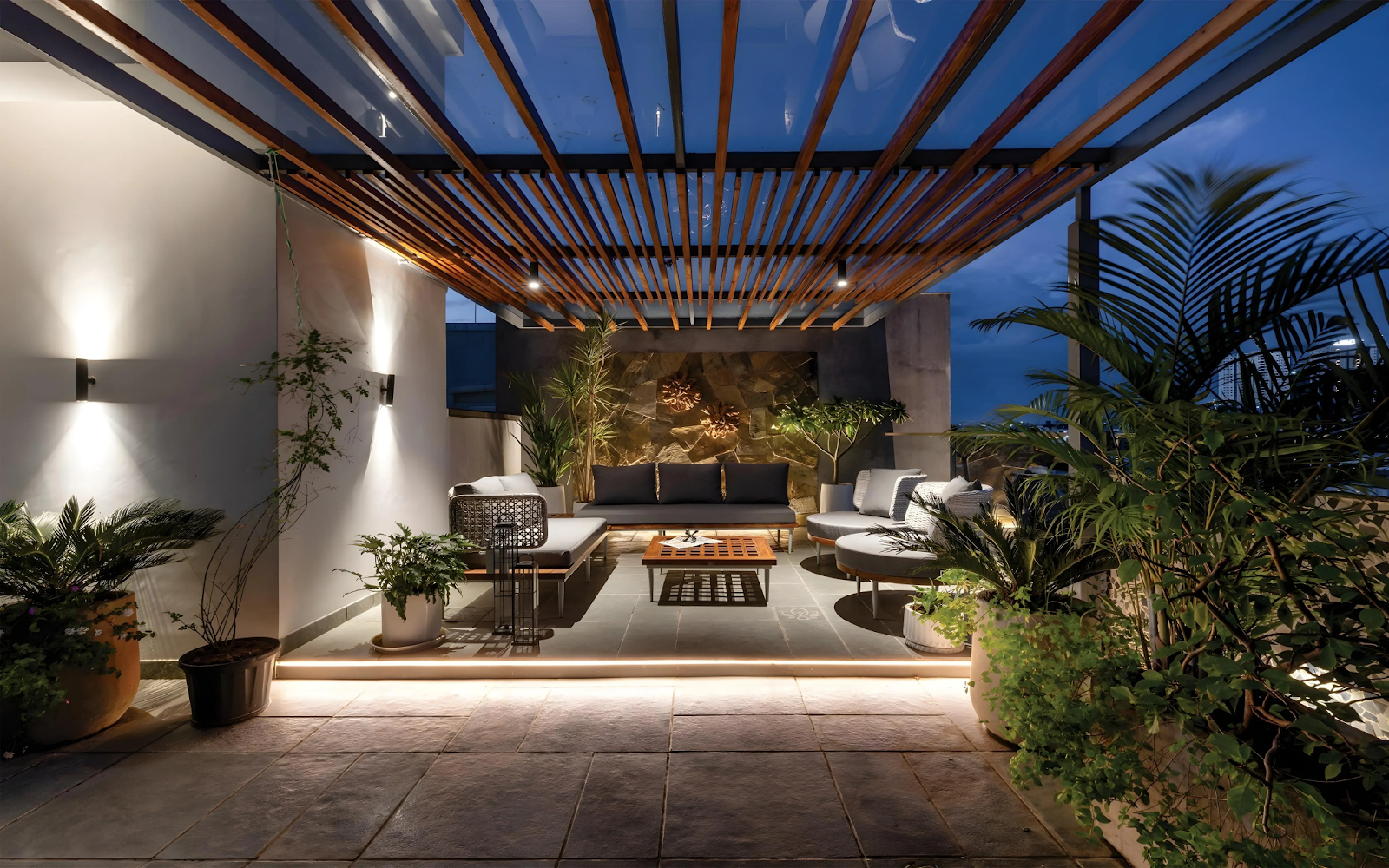
Importance of lighting placement - It’s Not the Light. It’s Where You Place It

When it comes to interior design, lighting often falls into the trap of being an afterthought—something selected late in the process or added as a purely functional element. However, veteran designers and architects will attest that lighting is what truly makes or breaks a room. It isn't necessarily the light itself that makes the difference, but exactly where and how it is positioned.
While we have a world of choices today—from magnetic tracks and recessed panels to designer chandeliers—these showstoppers can lose their value if placed incorrectly. Rather than creating character, poor placement can cast undesirable shadows, cause harsh glare, or simply feel out of place. This article explores why placement takes precedence over the fixture itself.
The Science Behind Lighting Placement
To appreciate placement, one must understand how light interacts with its environment. Any light source impacts not only what it illuminates but also the region around it—producing shadows, drawing out textures, and affecting depth perception.
A mispositioned ceiling light can flatten a room, while an ill-placed under-cabinet strip can reflect off a shiny backsplash and cause eye fatigue. Conversely, a well-placed, unobtrusive light source can highlight architectural elements, create inviting nooks, and make a room appear more spacious.
Ambient, Task, and Accent Lighting
A successful lighting scheme relies on three layers that must collaborate through calculated positioning:
- Ambient Lighting: The overall illumination of a space.
- Task Lighting: Focused light for functional areas like kitchen counters or work desks.
- Accent Lighting: Used to highlight features like paintings or wall textures.
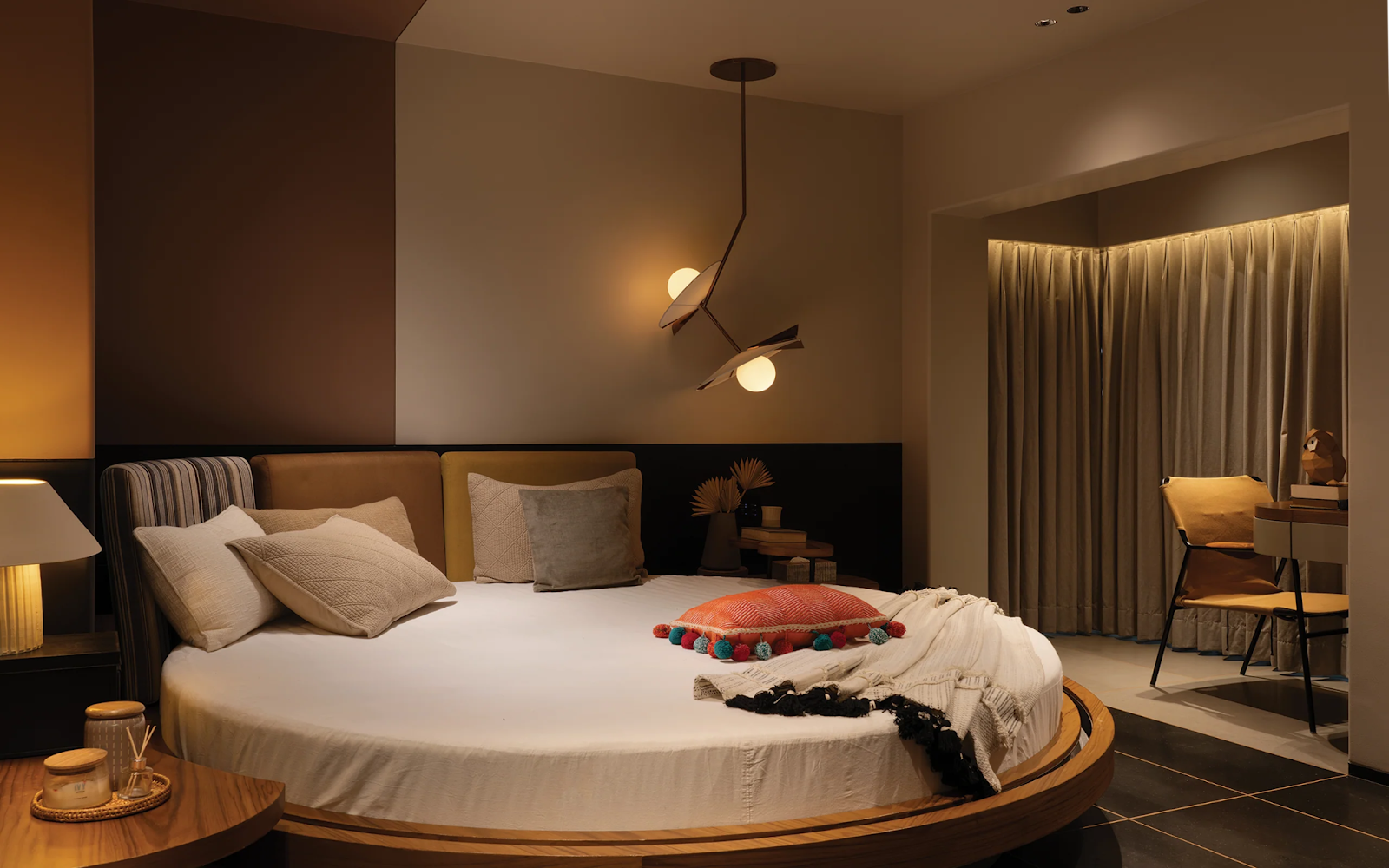
Practical Placement Tips
Avoid positioning ambient lights strictly in the center of a room, as this creates dark corners. Instead, utilize systems like magnetic tracks that can be tilted to eliminate shadows.
For bathrooms, task lighting should be at eye level on either side of the mirror rather than from the ceiling, which prevents unflattering shadows on the face. Accent lights should always be placed discreetly to avoid competing with functional task zones.
Misplaced Luxury: When High-End Fixtures Underperform
One of the most frequent mistakes is assuming a high price tag guarantees a better atmosphere. A show-stopping pendant at the wrong hanging height can ruin the room's balance. A large chandelier may look majestic in a catalog, but if suspended too low in a room with standard ceilings, it makes the space feel cramped.
Placement usually takes precedence over fixture type. A modest LED strip installed behind a headboard or under a staircase can provide more drama and sophistication than an expensive but poorly positioned lamp.
Zoning with Light: A Modern Game-Changer
In open-plan designs, well-placed lighting acts as a "visual wall" to define different zones:
- Kitchen: Counter-directed track lighting offers definition and utility.
- Dining: A cluster of pendants above the table creates an island of intimacy.
- Lounge: Wall-mounted profile lighting provides comfort and relaxation.
Zoning works for small dwellings too; proper illumination of a bedroom study area psychologically separates work from rest.
Lighting Types and Their Placement
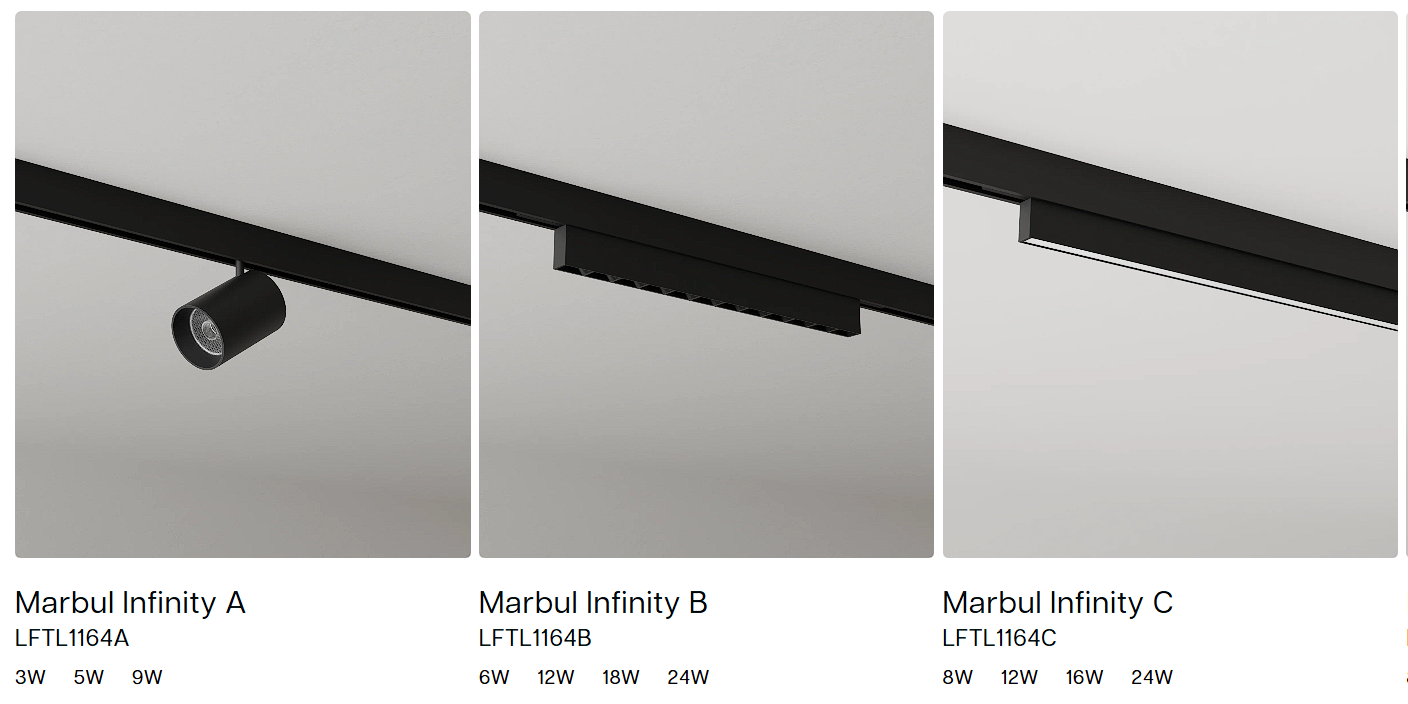
1. Magnetic Track Lighting
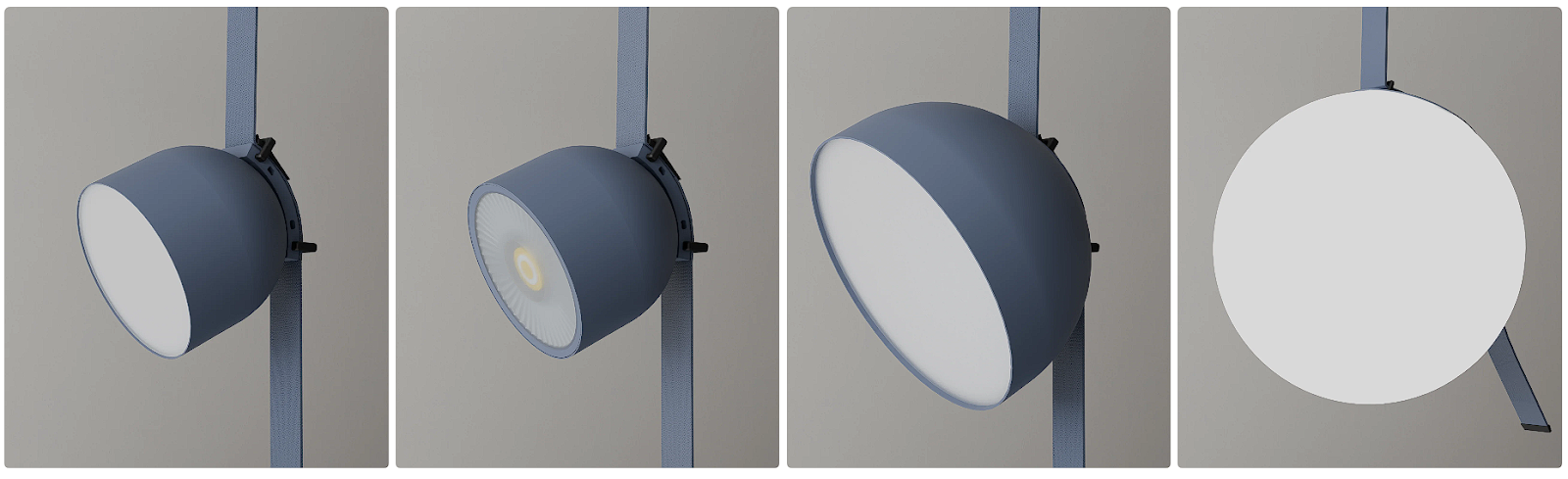
Magnetic track lighting is a favorite for its versatility. Modules snap in magnetically, allowing tool-free repositioning. It is perfect for dynamic rooms where you might highlight a textured wall one week and a reading nook the next.
2. Downlighting
Downlights project a clean, vertical beam that reduces glare. Their real value lies in thoughtful placement—illuminating room centers, kitchen islands, or adding rhythm to hallways. Overuse, however, can render a room flat, making spacing critical to success.

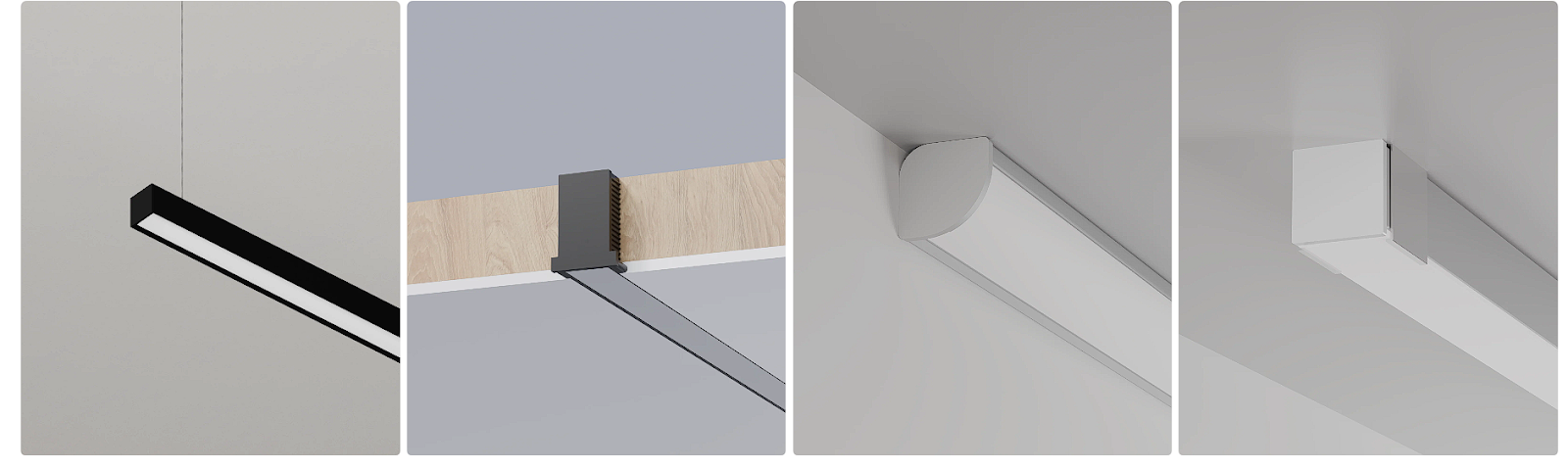
3. Profile Lighting
Profile lighting integrates linear fixtures into architectural frameworks. Often placed along ceiling grooves or wall peripheries, they add depth without the fixture itself being visible. It is the secret star of spatial narrative.
4. Pendant Lights
Pendants are centerpieces that ground a space. Their effectiveness depends entirely on hanging height; if too high, they lose impact; if too low, they break lines of sight. They are essential for infusing personality into workhorse areas.
Common Placement Mistakes
- Over-reliance on a single source: Creating harsh shadows and an unbalanced mood.
- Ignoring Furniture Layout: Mounting lights directly overhead where people sit, causing glare.
- Wrong Color Temperature: Using cool white in a dining area or warm yellow over a high-focus work desk.
- Disregarding Controls: Placing a beautiful light without an accessible switch nearby.
Special Considerations for Indian Homes
Indian residences often feature low ceilings and multi-use spaces. Placing profile lighting along the perimeter of a false ceiling adds depth without consuming physical space. In bedrooms, pairing warm pendants with low-glare sconces offers the perfect layered functionality for unwinding.
Layering Light: The Secret Ingredient
The greatest designs think of lighting like a music composition: Ambient is the bass line, Task is the melody, and Accent fills the harmonies.
In a living room, you might pair a recessed ceiling light for overall brightness, a floor lamp for corner ambiance, and an LED strip behind the TV to minimize screen glare. Each layer brings value only if placed with intent.
Placement Over Product
Lighting is the art of shaping space. Before you fall in love with a fixture on Pinterest, ask: Where will it go? How will it play with the furniture? Because in the world of design, where you place it is more important than what you install.