

How to Enhance Your Sleep with Improved Bedroom Lighting
Sleep is perhaps the most important part of our overall well-being, but many of us don't realize how much our bedroom lighting affects it. We're fixated on mattresses, pillows, and blackout curtains, but we tend to ignore the contribution light makes to assisting our body in relaxing, unwinding, and shifting into quality sleep.
Lighting isn't all about seeing, light influences our biological rhythms. The incorrect lighting in your bedroom can postpone sleeping, interfere with your natural circadian rhythm, and even lessen the quality of sleep you enjoy. With some conscientious bedroom light ideas and some intelligent product choices, you can turn your room into a sleep sanctuary.
Why Lighting Affects Sleep
Before we dive into some concrete recommendations, let's appreciate why bedroom lighting is important. Our bodies are programmed to observe the natural pattern of daylight. When dusk approaches, melatonin, the sleep-regulating hormone, takes over. Exposure to bright lights, particularly those having a cooler color temperature (bluish-white), inhibit the production of melatonin.
This is why bright, unfiltered ceiling lights or blinding white LED strips in your bedroom are actually counterintuitive to sleep. It's not about creating the room black all day long, it's about having the correct lighting for varying times of day and varying requirements: reading, getting dressed, unwinding, and sleeping.
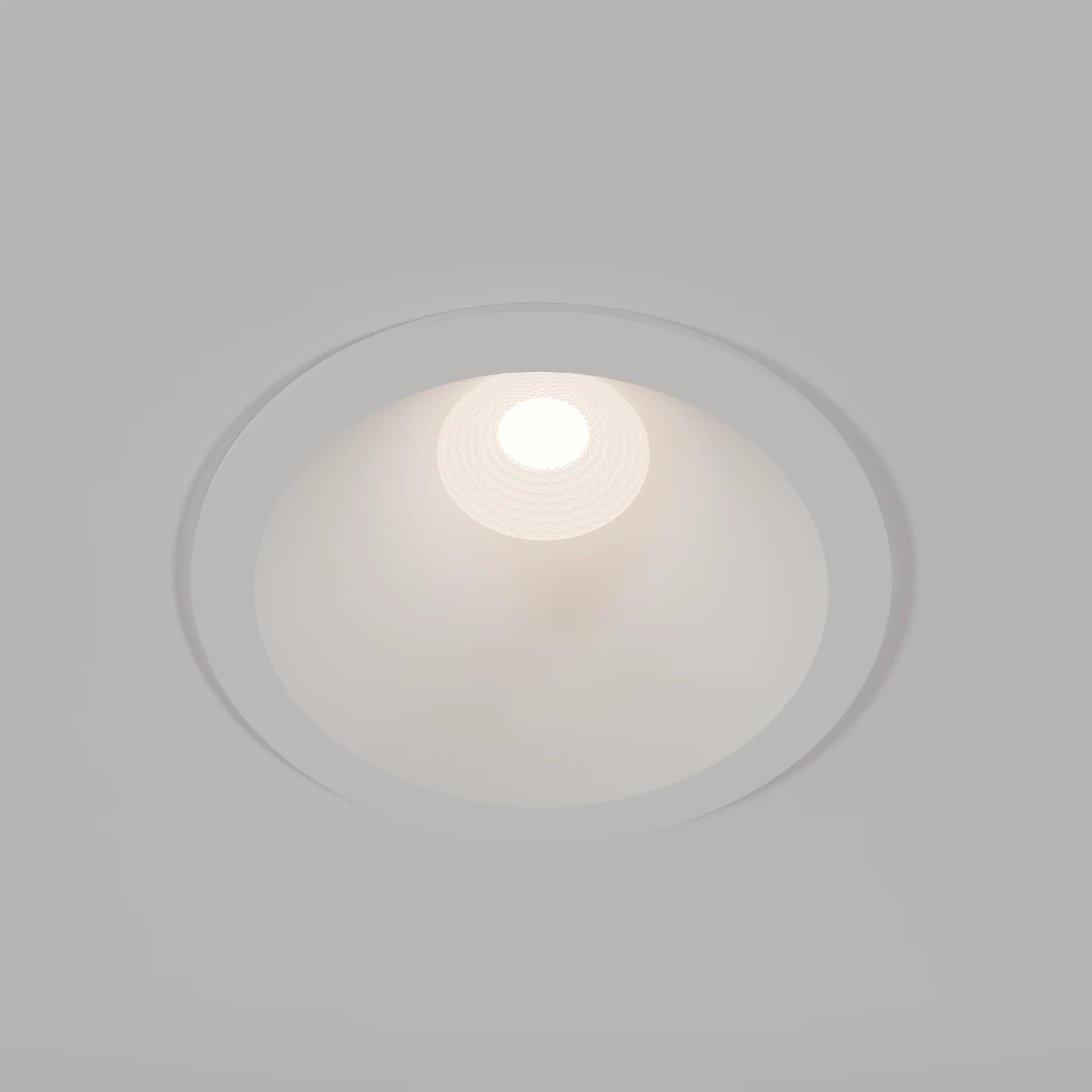
Layering Your Bedroom Lighting
1. Ambient Lighting
This is your main light source, typically ceiling- or wall-mounted, designed for general lighting. Though it's used for getting dressed or housekeeping, it must be adjustable in terms of brightness. Steer clear of extremely bright and cold-colored LEDs here. Go for dimmable fixtures where you can adjust the brightness to approximately 2700K to 3000K.
2. Task Lighting
Task lighting is utilized for particular tasks such as reading or putting on makeup. Bedside lamps or pointed spotlights like Spotron by Lafit Lighting work wonderfully. Spotron offers concentrated light without bathing the whole room, just right for reading before bed without disturbing your sleeping partner.
3. Accent Lighting
Accent lighting introduces personality and a warm glimmer. It's not merely for show, it adds to the atmosphere and can relax the senses at night. Consider wall sconces, cove lighting, or under-shelf lighting. Choices like Emerald (LFSL1215R) deliver clean styling and diffused light appropriate for creating a soft, calming ambiance.
Selecting the Appropriate Night Light
A bedside night light can decrease anxiety and provide a soothing glow. Look into placing motion-sensor LED strips underneath the bed or using wall-mounted night lights with dimming capabilities. Lafit's Torche fits into bedroom decor and provides just enough light to navigate without turning on the main light.
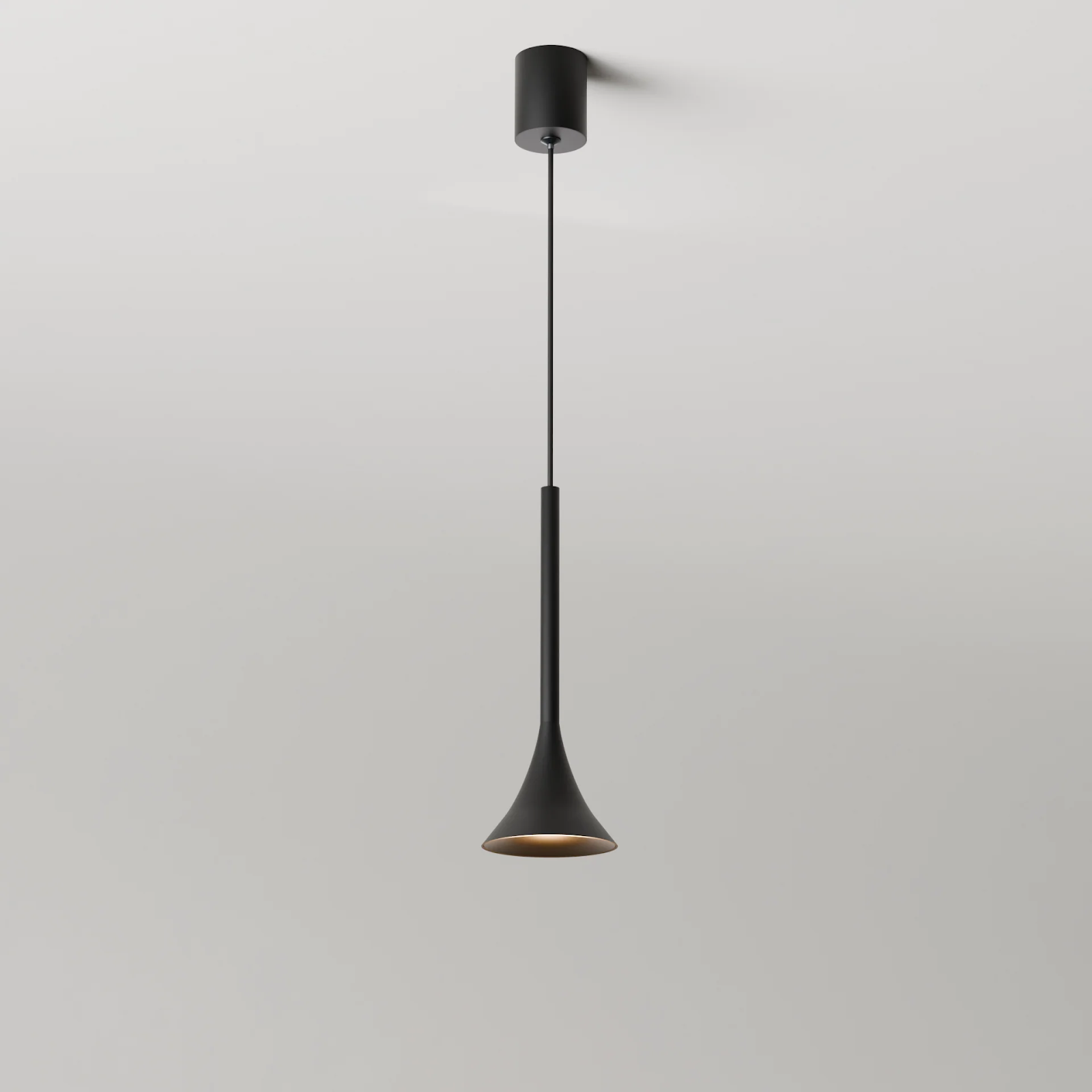
LED Lights for Bedroom
Always opt for warm white LEDs. Blue-toned (cooler) lights are perfect for concentration and alertness but awful for sleep. Having intensity control is key; whether using wall dimmers or app-controlled smart bulbs, being able to adjust light levels allows you to relax more easily.
Smart lighting enables you to automate changes. Begin bright in the early evening, then gradually fade to dim, warm lights towards bedtime. You can also install indirect cove lighting behind headboards or around ceiling panels to provide soft, even illumination that's suitable for the eyes.
Lighting Routines
Two hours before bed, turn off ceiling lights and employ table lamps or warm LEDs. Gradually dim lights one hour before bed and avoid screens. Finally, transition to your lowest light—maybe a bedroom night light or a solitary warm accent lamp—30 minutes before sleep. Consistency signals to your brain that rest is coming.

Common Mistakes
Avoid using only bright ceiling lights or overusing cool-toned LEDs. Don't ignore dimming options or place lights directly in your line of sight while lying in bed. Subtly layered lighting enhances different activities and transitions you toward rest rather than disrupting your cycle with direct glare.
Psychology of Light
Light pools induce feelings of safety and calmness. Soft lighting triggers a sense of calm, creating a sunset effect inside your home. This is critical in urban areas where external light pollution from street lamps or traffic interferes with natural darkness. Features like adjustable scenes for winding down and night reading help rewire your body to rest.
Morning Routines
While discussions center around sleep, lighting also assists in waking up. Using programmable LED light bulbs that change from dim amber to brighter, cool whites can simulate sunrise. Putting lights like Emerald behind the headboard provides an upward wash of light that builds gradually, inducing a natural awakening without the jolt of an alarm.
Lighting for Various Sleepers
Couples should employ dual systems like Spotron on either side of the bed so one can read while the other remains undisturbed. For light sleepers, a low-lumen night light (less than 50) positioned away from the sleeping area is perfect. For kids and teenagers, intelligent LED setups enable them to switch the mood based on socializing, study, or sleep.
Final Thoughts
You don't always need drastic changes to get better sleep. It begins with something as easily forgotten as your lighting. Begin with small steps: a dimmable spotlight here, a night light there, and piece together a space that feels comforting and yours.
Don't Forget To:
- Layer your lighting carefully (Ambient, Task, Accent).
- Opt for warm, dimmable LEDs first (2700K - 3000K).
- Add at least one night light option for safety and comfort.
- Select products that complement your habits, not conflict with them.
With intelligent placement and fixtures like Spotron, Torche, and Emerald, your bedroom can evolve from an operational room to one that truly aids in your health and deep, quality sleep.
